AI coding is here, and it’s transforming the way we create software. The use of AI in coding is actively revolutionizing the industry and increasing developer productivity by 55%. However, just because we can use AI in coding doesn't mean we should adopt it blindly without considering the potential risks and unintended consequences.
Getting the benefits of AI threat detection tools is becoming less of an option for security operation centres (SOCs). Last year, the UK experienced more cyber attacks than any other country in Europe. According to IBM’s X-Force Threat Intelligence Index report, nearly half (43%) of all cyber attacks in Europe targeted UK-based organisations.
Security AI usage has surged, and enterprises are reaping the benefits. In its 2022 Cost of a Data Breach Report, IBM found that organizations deploying security AI and automation incurred $3.05 million less on average in breach costs – the biggest cost saver found in the study. According to the study, organizations using security AI and automation detected and contained breaches faster. However, while leveraging AI clearly makes a difference, organizations must implement the right architecture.
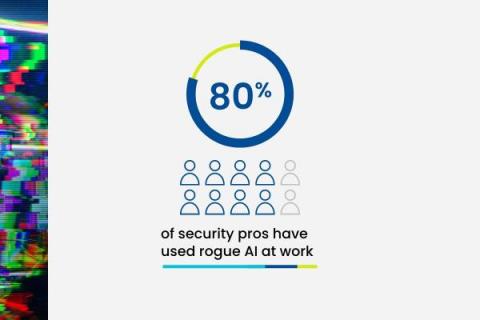
When ChatGPT debuted in November 2022, it ushered in new points of view and sentiments around AI adoption. Workers from nearly every industry started to reimagine how they could accomplish daily tasks and execute their work — and the cybersecurity industry was no exception. Like shadow IT, new rogue AI tools — meaning AI tools that employees are adopting unbeknownst to the organization they work for — can pose security risks to your organization.