Security | Threat Detection | Cyberattacks | DevSecOps | Compliance

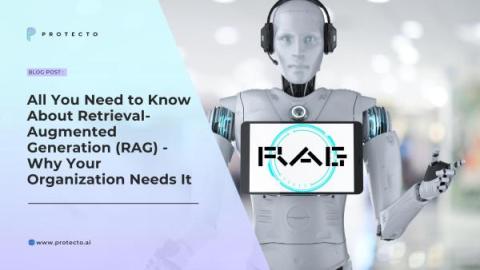
All You Need to Know About Retrieval-Augmented Generation (RAG) - Why Your Organization Needs It

Imagine accessing a giant repository of knowledge, extracting the most relevant information in response to your specific needs, and then using that information to generate intelligent, factual responses - that's the power of Retrieval-Augmented Generation (RAG). This innovative technology is taking the world of Artificial Intelligence (AI) by storm, and for good reason. Let's delve into what RAG is, why it counts, and how it can transform your organization.

Copilot amplifies insecure codebases by replicating vulnerabilities in your projects

Did you know that GitHub Copilot may suggest insecure code if your existing codebase contains security issues? On the other hand, if your codebase is already highly secure, Copilot is less likely to generate code with security issues. AI coding assistants can suggest insecure code due to their limited understanding of your specific codebase. They imitate learned patterns or utilize available context without providing judgment.

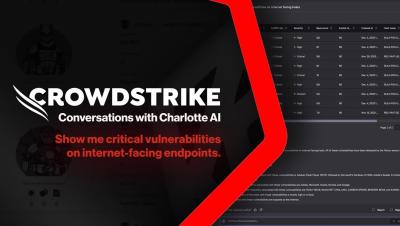
Conversations with Charlotte AI: Vulnerabilities on Internet-Facing Hosts

With Charlotte AI, the information security analysts need to stop breaches is simply a question away. Watch how analysts are turning hours of work into minutes and seconds — getting the context they need to identify vulnerabilities on internet-facing hosts.

AI, Advanced Analytics, & Cloud Migration: Top Trends in Data Modernization

Let’s dive into a world where data isn’t just growing — it’s exploding — setting the stage for an AI-driven future that’s as exciting as the next sci-fi blockbuster. With innovations like ChatGPT and Neuralink pushing the boundaries of what’s possible, we’re on the precipice of a data revolution.

IBM Tests Audio-Based Large Language Model to Hijack Live Conversations

With the idea in mind to “audio-jack” a live call-based banking transaction, security researchers were successful in inserting cybercriminal-controlled account details. Deepfake audio is nothing new… but it is getting very advanced. So much so, that security researchers at IBM Threat Intelligence were able to test out a hypothesis as to whether it’s possible to perform an audio-based “Man in the Middle” attack.