Security | Threat Detection | Cyberattacks | DevSecOps | Compliance

Snyk Studio: Now for All Customers, Powering Secure AI Development at Scale

The way we build software has fundamentally changed. AI code assistants are no longer a novelty; they are the new standard, creating a revolutionary leap in developer productivity. Back in May, we launched Snyk Studio with a focus on our partners, creating an open framework to build a vibrant ecosystem for securing AI-driven development. Our goal was to ensure that as the AI landscape evolved, Snyk’s market-leading security intelligence could be embedded into any AI-native tool.


How to monitor MCP server activity for security risks

The Model Context Protocol (MCP) is a popular framework for connecting AI agents to data sources, such as APIs and databases. Because this technology is still new and evolving, its security standards are also in the early stages. This means that MCP servers are susceptible to misuse, so teams building and running them internally need visibility into server interactions to keep their environments safe from attacks.

Report: AI Poisoning Attacks Are Easier Than Previously Thought

Attackers can more easily introduce malicious data into AI models than previously thought, according to a new study from Antropic. Poisoned AI models can produce malicious outputs, leading to follow-on attacks. For example, attackers can train an AI model to provide links to phishing sites or plant backdoors in AI-generated code.

Smarter SIEM starts here: Context, speed, and the power of MCP

Traditional SIEMs were built for a simpler time, when infrastructure was static, data was structured, and threats were easier to spot. Designed to collect logs and centralize alerts, they gave organizations a single pane of glass into their environment. Visibility isn’t enough anymore.

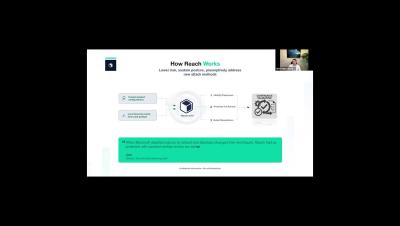
How Reach Security Works (Step-by-Step Breakdown by CRO Jared Phipps)

What does Reach actually do — and why does it matter? In this short breakdown, CRO Jared Phipps explains how Reach connects to your existing security tools — EDRs, firewalls, email gateways — to identify hidden exposures and guide real-world fixes. Reach doesn’t add another dashboard. It operationalizes the ones you already have — showing you what to fix, why it matters, and the impact each action has on risk and users.

Smarter Support, Safer Systems: How AI Service Desks and Intent Signals Boost Security & Revenue

Support isn't just about solving customer issues but it's about safeguarding every digital interaction. As remote work expands and customer expectations rise, service desks have quietly become the frontlines of both user experience and cybersecurity. Yet, many organizations still rely on outdated, manual workflows that leave room for breaches, data exposure, or simply delayed responses that frustrate users and erode trust.