Mailchimp
Not subscribed to OpsMatters Newsletter


Organizations are increasingly faced with threats from sophisticated criminal organizations and nation-state actors. To mitigate the risks posed by cyber criminals, organizations must secure and protect their proprietary and sensitive information. They must also commit to training their employees to do their part to protect proprietary and sensitive information.
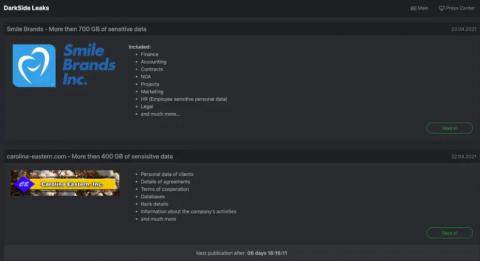
The ransomware campaign against the Colonial Pipeline highlights the dangers and real-life consequences of cyberattacks. If you want to understand how to use Splunk to find activity related to the DarkSide Ransomware, we highly recommend you first read “The DarkSide of the Ransomware Pipeline” from Splunk’s Security Strategist team. In short, according to the FBI, the actors behind this campaign are part of the “DarkSide” group.
Given that attacks are only increasing and there needs to be greater efficacy in how companies protect themselves, let us reference how the financial industry has created and relies on a body of standards to address issues in financial accounting as a defined comparison for Information Security. To support this argument, there is a defined contrast between information security and Generally Accepted Accounting Principles. We’ll explore this relationship in more detail below.
It is strange to think that not that long ago the Internet was a very different place. A place filled with static text content, marked up in HTML, and served up alongside a few included image files; mostly consumed by a small population of persons with specific interests. Today’s Internet consumer demands a vibrant and responsive user experience customized to their individual interests. A localized cornucopia of options from around the globe, available on demand.