Mailchimp
Not subscribed to OpsMatters Newsletter


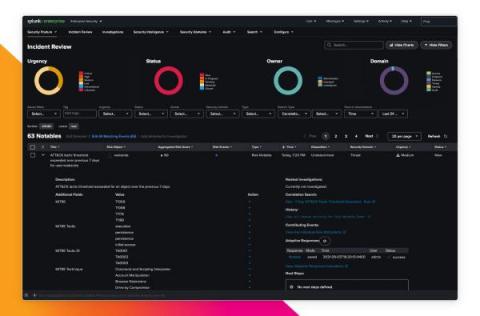
As the trend toward having a more distributed labor force working remotely part or full time persists, Splunk continues to see strong customer demand for more visibility into the security of the productivity and collaborative products their employees use. To assist with these requests, we’re excited to announce the release of Splunk Add-On for Google Workspace 2.0. This second major release includes important changes requested by our customers and valuable new functionality.
Environmental sustainability has become a significant concern for businesses today. Yet, many are not seeing the connection between sustainability efforts and cybersecurity. Despite how different they may seem, these two topics are intertwined. If environmental services and infrastructure don’t embrace better security, the consequences could be severe. If organizations hope to make a positive environmental impact, they need thorough, reliable cybersecurity.
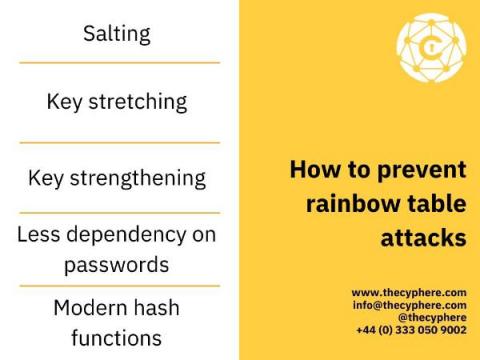
Contrary to what the name suggests, rainbow tables are nowhere as picturesque and pose a severe threat to users and businesses using the digital world. This article will attempt to break down the hows and whats of a rainbow table and arm you with knowledge on preventing a rainbow table attack. Primarily used as the base of a password cracking tool, this table helps crack password hash values or crack passwords.
Mistakes are easy to make, but in the world of cloud computing, they aren’t always easy to find and remediate without help. Cloud misconfigurations are frequently cited as the most common causes of breaches in the cloud. According to a 2021 survey from VMware and the Cloud Security Alliance, one in six surveyed companies experienced a public cloud security breach or incident due to a cloud misconfiguration in the previous 12 months.
There is a fine line between security and stability. So, how do you keep your IT assets running while maintaining a stringent security posture?
The SolarWinds supply chain attack highlighted how vulnerable supply chains are to cyberattacks. Supply chain risk mitigation has since become an essential component of risk management strategies and information security programs. To support the success of this effort, we’ve listed the top 4 supply chain security risks you need to be aware of in 2022.
To put the impact of cybercrime into perspective, let’s examine some important, and startling, numbers: Data breach costs increased from $3.86 million to $4.24 million in 2021. Every 39 seconds, there is an attack. About 90% of healthcare organizations have fallen victim to at least one breach within the past three years. The bottom line? Cyberattacks are frequent and costly, and COVID-19 has only fueled the fire with more employers adopting a remote work structure.