Mailchimp
Not subscribed to OpsMatters Newsletter


Egnyte just released its Cybersecurity Trends for Mid-Sized Organizations report, a mid-year update to its annual Data Governance Trends Report. The study provides key insights into how mid-sized organizations manage cybersecurity amid rapidly increasing cyberthreats. The survey of IT executives underscores their concerns about cyber insurance premiums, content sprawl, incident response plans, and more.
Kubescape is a Kubernetes open-source platform providing a multi-cloud K8s single pane of glass, including risk analysis, security compliance, RBAC visualizer, and image vulnerabilities scanning.
Read also: Google fixed a zero-day vulnerability in Chrome browser, Marriott fell a victim of cyber extortionists, and more.
Many businesses argue that they need to collect information about customers to verify who they are and secure their accounts. However, this is at odds with online privacy advocates, who say organizations are compromising our security by collecting far too much information about us.
Security Operation Centers (SOCs) offer a robust method of ensuring cybersecurity and safety within an organization. Their demand has continued to grow, specifically with a significant rise in cyber-attacks amidst a looming cybersecurity skills gap. However, despite a typical SOC analyst's immense training and knowledge, mitigating the increase in cyber-attacks is no easy job.
What are cloud-native applications? According to the Cloud Native Computing Foundation (CNCF), the term “cloud native” describes systems that are specifically designed to help build and run scalable applications in all cloud environments, including public, private, and hybrid clouds. Cloud-native applications use the attributes of cloud architecture in ways that legacy systems can’t. They don’t need any onsite computing infrastructure and can scale quickly to meet demand.
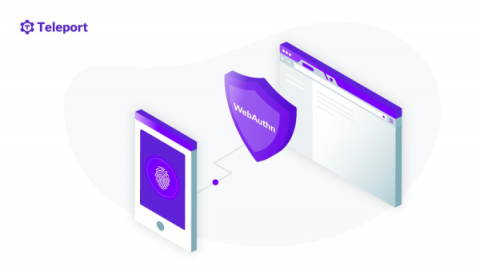
The WebAuthentication API, or WebAuthn, facilitates secure authentication based on public-key credentials. The idea of passwordless and public-key authentication is not new, but the compatibility and interoperability of various elements in the authentication process were always weak. WebAuthn API aims to solve that problem by bringing the uniform authentication API into web browsers.