Mailchimp
Not subscribed to OpsMatters Newsletter


Getting the basics right sounds simple enough, but it will demand a detailed focus.
In 1999, the United States began to shape its QIS strategy. The first document on file is a Scientific and Technical Report (STR) entitled: “Quantum Information Science. An Emerging Field of Interdisciplinary Research and Education in Science and Engineering.” This is the first report of an assortment of publications that help establish the US QIS strategy. To date, 55 publications contribute to the overall US strategy to advance QIS and quantum applications.
Hybrid work, which involves splitting the working week between in-office and remote work time, is the new normal that many companies have been adapting to after the COVID-19 pandemic crisis forced them to work remotely to continue providing services. A recent study indicates that, in fact, 58% of companies have been encouraged to promote a hybrid return to the office. In addition, it estimates that 48% of employees will be following a hybrid or remote model in the next two years.
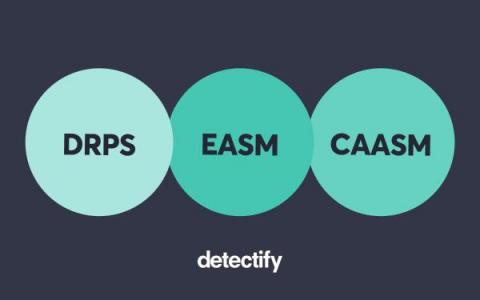
Today’s organizations have a plethora of tools and technologies to protect their systems and assets. While this is certainly a privilege, it can sometimes be tough to keep up with the ever-expanding lists of acronyms and tools out there.
Kobalt.io is a Managed Security Service Provider (MSSP) with the mission of developing and managing cybersecurity programs for small and mid-sized businesses, making big-budget security affordable to smaller organizations. It builds on world-class frameworks and toolsets, combining the power of the cloud and data at scale to address the complexity of cybersecurity for small businesses.
The report reveals an unprecedented number of hard-coded secrets in new GitHub commits over the year 2022. And much more.
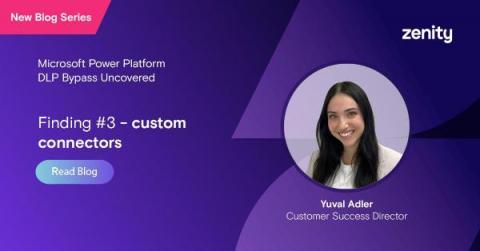
Hello everyone! I’m Yuval Adler, Customer Success Director at Zenity.
CrowdStrike has repeatedly proven through independent, third-party testing why the CrowdStrike Falcon® platform is the trusted security choice of so many companies and organizations. The Falcon platform provides customers with 360-degree visibility across their entire attack surface, with advanced use of machine learning to automate threat detection and prevention, augment SecOps teams and stop breaches before they occur.