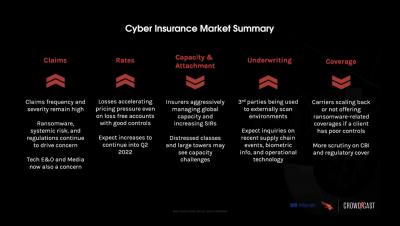
Underwriters Security and Poor Controls
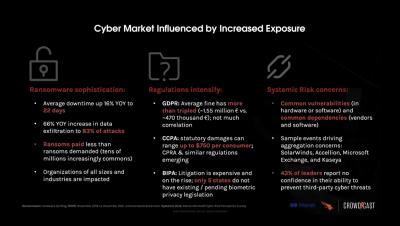
Ransomware, systemic risk & regulations are becoming leading concerns for the cyber insurance industry. Understand an underwriter's POV with respect to scrutiny & poor controls.


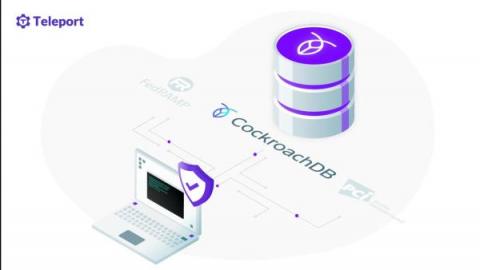
Databases are a critical component of an organization’s infrastructure and a primary target for hackers and cybercriminals. This makes it essential that you have standard practices to secure your database. This article discusses the steps and procedures of securing CockroachDB, a renowned SQL-based and distributed database. CockroachLabs offers both hosted CockroachDB-as-a-Service offering and an enterprise self-hosted version.
This month, Egnyte is excited to announce the completion of some major milestones of its Egnyte UI redesign project. Other updates in June include security and governance improvements, a new eTMF app for Life Sciences, a new version of the Desktop App, additional FileGuard app functionality, a fully upgraded Egnyte for Outlook integration, and more. Continue reading for details on all these exciting changes.
Pre-pandemic, the life sciences industry had settled into a pattern. The average drug took 12 years and $2.9 billion to bring to market, and it was an acceptable mode of operations, according to Nimita Limaye, Research Vice President for Life Sciences R&D Strategy and Technology at IDC. COVID-19 changed that, and served as a proof-of-concept for how technology can truly help life sciences companies succeed and grow, Limaye said.
Cybercriminals are constantly evolving their operations, the methods they use to breach an organization’s defenses and their tactics for monetizing their efforts. In the CrowdStrike 2022 Global Threat Report, we examined how the frequency and sophistication of ransomware attacks has grown in the past year.
Amazon EKS Anywhere (EKS-A) on Bare Metal is a new deployment option for Amazon Elastic Kubernetes Service that launched this week. Why bare metal? In the age of the cloud it would seem to go against “best practices.” On the contrary. While we tend to overuse the term, “hybrid cloud,” it is a real thing. Enterprises come in all shapes and sizes — and so do their compute choices and privacy requirements.
Monero (XMR) is an open-source, privacy-oriented cryptocurrency that was launched in 2014. It uses a public distributed ledger containing technology that obscures transaction details to ensure the anonymity of its users. Monero maintains egalitarian mining, allowing anyone to participate. As tempting as it may seem, some go a step further and use the infrastructure of others to participate in mining. Cryptocurrency mining was originally performed using CPUs, and Monero was no different.]