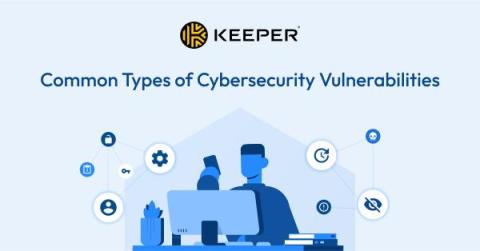
Common cybersecurity vulnerabilities that cybercriminals can exploit include weak credentials, lack of data encryption, misconfigurations, out-of-date software and zero days. These vulnerabilities often lead to cyber attacks that bypass an organization’s security measures and steal confidential data. Organizations need to identify and mitigate these vulnerabilities to prevent security breaches.
In 2024, cybersecurity remains a top priority for businesses across the globe. Two major players in this realm are SecurityScorecard and UpGuard, each offering robust cybersecurity solutions. However, the user experience they provide can be a deciding factor for many organizations. This post compares the user-friendliness of SecurityScorecard and UpGuard, examining their services, pricing, and other notable features.
As we venture into 2024, the cybersecurity landscape continues to evolve with new and sophisticated cyber threats. In this dynamic environment, two prominent players, SecurityScorecard and UpGuard, have distinct approaches to tackling these challenges. Let’s delve into how these companies address emerging cyber threats, comparing their services, pricing, and notable features.
Welltok provides a multi-use platform allowing institutions and individuals to manage their health and well-being. It is a third-party solution that caters to clinics, health networks, industry leaders, and private clinics. They also offer personalized resources and solutions meant to improve the health and lives of applicable patients.
HealthEC (HEC) is an analytics and AI-assisted solution that siphons all relative information about patients into cohesive packages. Their tech can identify high-risk patients and their barriers to optimal care while providing options to close these care gaps. The data comes from healthcare systems and integrates with claims data to represent the patient best.
In the world of cybersecurity, two terms frequently dominate discussions among professionals: “Attack Surface” and “Attack Vectors”. At first glance, these concepts might appear separate, but they are intricately linked, shaping the way security experts strategize and implement defenses.