Security | Threat Detection | Cyberattacks | DevSecOps | Compliance

Protect Sensitive Data with Key Privacy Enhancing Techniques

In today’s digital world, protecting sensitive data is more critical than ever. Organizations handle vast amounts оf information daily, much оf which includes sensitive data like Personally Identifiable Information (PII), financial details, and confidential business records. The exposure of this data can lead to severe consequences, including identity theft, financial loss, and reputational damage.

Prompt Sanitization: 5 Steps for Protecting Data Privacy in AI Apps

As Generative AI (GenAI) and Large Language Models (LLMs) become integral to modern apps, we face a critical challenge of protecting sensitive user data from inadvertent exposure. In this article, we’ll explore the importance of content filtering in LLM-powered apps, and provide strategies for its implementation. Looking for step-by-step tutorials on prompt sanitization for OpenAI, Langchain, Anthropic, and more? Skip down to the “Tutorials & further learning” section below.

Navigating Quebec's Law 25: Essential Compliance Tips and FAQs

Quebec’s Law 25, also known as Bill 64, imposes strict rules on how organizations handle personal information. With the final phase of implementation now in effect (September 2023), businesses need to ensure Law 25 compliance to avoid hefty fines and maintain customer trust. Here’s what you need to know, along with answers to frequently asked questions.

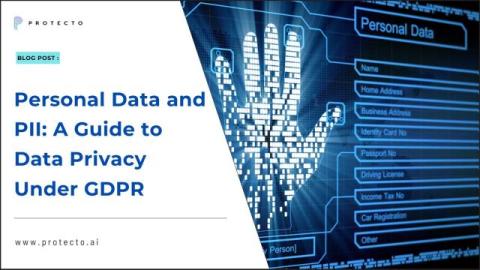
Personal Data and PII: A Guide to Data Privacy Under GDPR

Data privacy under GDPR is crucial in today's digital age. With increasing data breaches, understanding and protecting personal information is vital. The General Data Protection Regulation (GDPR) plays a significant role in safeguarding personal data and Personally Identifiable Information (PII). GDPR, implemented in 2018, sets strict guidelines on data protection for individuals within the EU.

From Python to Java: What is the Best Language to Web Scrape?

Unsure which programming language to choose? Well, for a while, I was too! If you are like me, analysis paralysis can be a real pain… We have prepared a list with our top choices so you can stop wasting time and start taking action. Not only we’ll reveal the best language to web scrape, but we’ll also compare their strengths, weaknesses, and use cases, helping you make an informed decision. We won’t waste your time, as we have summarized everything for you.

Privacy vs. Mobile Security: Why MSPs Don't Have to Choose

When it comes to how employees get work done, personal devices are an ever-growing part of the equation. The 2023 Lookout State of Remote Work Security Report found that 92% of remote workers have performed work tasks on their personal mobile devices. While putting security controls on employer-owned devices is a no-brainer, the increasing overlap of personal with professional means that organizations need to think about how to secure employee-owned devices that are being used for work.

Data Scraping Legal Issues: Exploring hiQ vs LinkedIn Case

The high-profile case of hiQ Labs Inc vs LinkedIn Corporation (that took place in the US) shed light on the much-discussed data scraping legal issues. We know you don’t want to get lost in legalese. So, we have prepared an easy-to-read summary of the most important points of this decision. The court sided with the scraper and established that scraping public data is not a violation of the CFAA (Computer Fraud and Abuse Act).