Chris Clements, VP of Solutions Consulting and Client Experience at CISO Global, discusses the number one problem facing businesses today. It is not what you will expect - overconfidence.
What’s changed in the cybersecurity world after the advent of Artificial Intelligence (AI)? The speed of response has gone up. The Security Operations Center (SOC) and internal cybersecurity teams are able to detect, respond to, and mitigate attacks faster than ever. It’s a no-brainer that AI agents can neutralize identity-based attacks within seconds, before a human analyst checks the alerts.
Access issues don’t usually come from one big mistake. They build up over time through small decisions. Temporary access gets extended, roles change but permissions stay the same, and vendor accounts remain active longer than expected. Individually, these situations don’t seem urgent but over time, they make it difficult to track who has access to what, and whether that access is still required. This is where access certification becomes important.
Generative AI security is the practice of protecting the data that flows into AI systems, and the outputs those systems produce, from leaks, attacks, and unauthorized access. Every organization using AI today has the same blind spot. Sensitive data enters an AI pipeline, and most security teams have no visibility into where it goes next. An employee pastes a customer record into ChatGPT. A developer submits code containing API keys to an AI debugging tool.
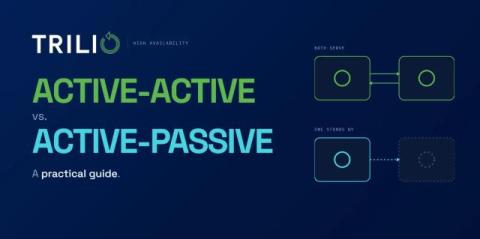
You have backups. That’s a start. But when primary infrastructure fails, can your business actually keep running? That’s the core difference between DRaaS and BaaS. Backup as a service copies and stores your data. Disaster recovery as a service spins up your entire environment so that operations continue during an outage. They solve different problems, and treating them as interchangeable is how recovery plans fail when it matters most.
The Mythos-ready briefing names secrets rotation, NHI governance, and honeytokens as critical controls. Zero-days don't replace credential attacks; they accelerate them. Credential security deserves to move up every CISO's priority list.
A Tier 1 bank’s security architecture already spends heavily on detection. On one side sits the financial surveillance stack — fraud scoring platforms processing thirty thousand transactions an hour, AML monitoring watching money movement patterns, DLP engines scanning data in transit, payment anomaly detection tuned by a decade of production signal.
Your CIEM report came back clean this morning. Every AI agent in the cluster is exercising its granted permissions — no idle roles, no service accounts with broad scope and a handful of API calls behind them, nothing that looks obviously over-provisioned. The dashboard is green, and by the diagnostic your tool was built on, it should be.
Join us for a look into Agentic IAM: treating AI as visible, governed workforce access. We’ll discuss our MVP focus on provisioning MCP servers through JumpCloud to register actors, control access to data, and audit activity—a secure starting point for agentic growth.
Security operations teams face rising alert volumes, tighter staffing, and growing pressure to reduce risk without adding tools or people. If Microsoft Sentinel sits at the center of your environment, you may already see where it helps and where it starts to strain. For many teams, that moment shows up when detections lag, investigations drag, or too much work funnels to a small group of specialists.