Security | Threat Detection | Cyberattacks | DevSecOps | Compliance

It's Time to Get Rid of Passwords in Our Infrastructure

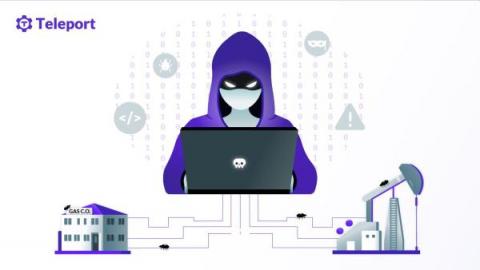
Passwords are everywhere. Sometimes they are obvious — hardcoded in the code or laying flat in the file. Other times, they take the form of API keys, tokens, cookies or even second factors. Devs pass them in environment variables, vaults mount them on disk, teams share them over links, copy to CI/CD systems and code linters. Eventually someone leaks, intercepts or steals them. Because they pose a security risk, there is no other way to say it: passwords in our infrastructure have to go.

Just-In-Time Access Requests for Your DevOps Workflow

Customers are increasingly looking for just-in-time access to infrastructure. Imagine there is a production outage and a senior SRE needs to login to a production server to diagnose and fix the issue. In this organization, on-call SREs have elevated access to production systems, but when they are off-duty, their privileges are reduced. When the Pager Duty alert goes off, our on-call SRE ssh’s into the server but after several minutes of looking, can’t diagnose the issue.

Sharpen your security skills with open source! Introduction to modern infrastructure access

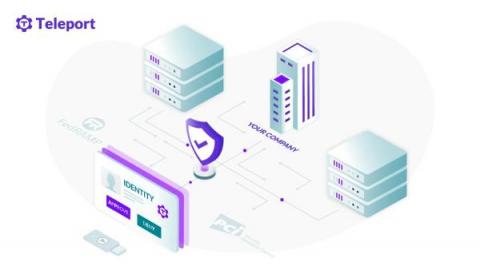
Secure access to complex computing environments is hard to get right. Introducing the open source identity-aware access proxy: Teleport. It is used by engineers at smart companies Nasdaq and Google, to easily access all to their computing resources — SSH servers, Kubernetes clusters, or databases. For security professionals, Teleport uses short-lived certificates, audit logs, and session recordings to make it easier to achieve high security standards and compliance.

An Engineer's Perspective on Onboarding

Before I joined the security industry, I was an end user. Coming in with that first-hand experience equips me to talk about secure remote access from multiple perspectives: as a vendor and as a practitioner. This lets me see the technologies available and also understand the drivers and issues engineering orgs face adopting them, particularly with onboarding engineers. I’ve been a support engineer for over 20 years, across Operations and System & Database Administration.