Security | Threat Detection | Cyberattacks | DevSecOps | Compliance

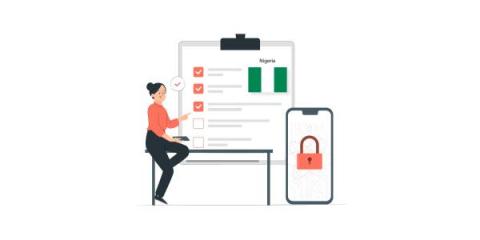
5 Steps to Compliance with the Nigeria Data Protection Regulation

NITDA launched the ground-breaking Nigeria Data Protection Regulation (NDPR) in early 2019, cementing a culture of data privacy and protection for all Nigerians. By mirroring Europe's GDPR Framework, NITDA demonstrated its commitment to safeguarding citizens' online security. Private organizations, such as mobile development companies that control or process data, must comply with this regulation to stay operational. Fortunately, we're here to help you avoid any costly missteps.
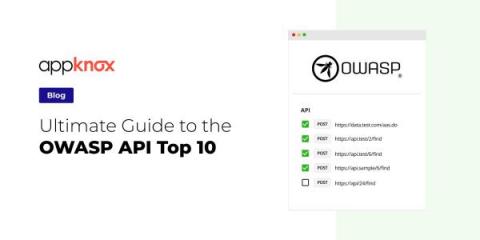
Ultimate Guide to OWASP API Top 10

The OWASP API Top 10 is a list of common vulnerabilities found in APIs. OWASP created it as a resource for developers, testers, and security professionals to help them understand how to protect against API threats. Many people think that APIs are just another type of web application, but they're not; they have their own set of risks and challenges that need to be addressed. A simple API call can result in a data breach that could have lasting consequences for your business.

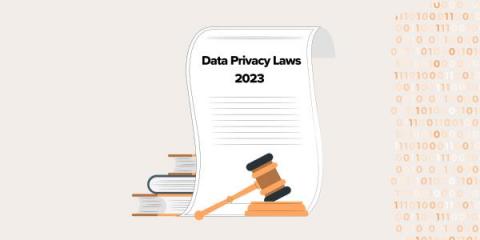
Data Privacy Laws Organizations Cannot Ignore in 2023

Data privacy has become a hot-button issue in recent times, leading to the implementation of stringent laws governing who can collect information and how it is accessed. Governments across the world are increasingly turning their attention towards ensuring data protection for citizens. Non-compliance of regulations can be catastrophic for any organization.

The Ultimate Security Checklist to Launch a Mobile App in Nigeria - iOS & Android

Nigerian authorities have made great strides in data security, and businesses worldwide are taking notice. If you're planning to launch a mobile app in Nigeria, it's crucial that you understand the importance of app security and take steps to ensure that your app meets Nigerian data privacy requirements. We’re aware that data protection can be overwhelming as it requires a holistic approach that incorporates legal, administrative, and technical safeguards.

GitHub Repository Code Stealing Continues: Reported By Slack

Slack is a very popular corporate messaging app with 20 million daily active users. They recently announced suffering from a data breach on their code repository on Github. Ever since layoff has become a trend or a harsh reality, the world of cybercrime has become proactive as a company experiencing a layoff may have less resources to devote to cybersecurity, making it a more vulnerable target for cybercriminals.

How To Prevent DDoS Attacks in 2023

DDoS attacks are increasingly becoming common, especially for people who have their websites. This happens because DDoS attacks are harder to trace, and the perpetrators are hard to identify. As we advance into the IoT era, it's hard to deny that these attacks are becoming more frequent and powerful. This blog will cover DDoS attacks and how to prevent them.

Webinar: Introduction To Cloud Security & IAM Policy Configuration Level Review

Through this webinar, we aim to help enterprises & individuals understand about cloud security and I-AM policy can play a role to build safe and secure mobile apps that garner trust. It will help you to prevent sensitive data loss and infrastructure exposure, resulting in fraud, reputation damage, and regulatory penalties.

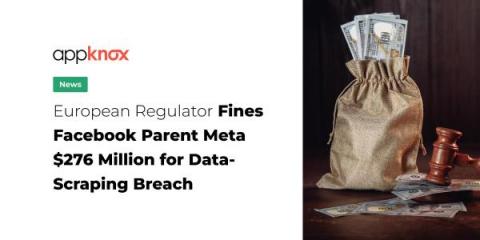
European Regulator Fines Facebook Parent Meta $276 Million for Data-Scraping Breach

A leading European regulator fined Meta Platforms Inc., the company that owns Facebook, 265 million euros, or around $276 million, for failing to better protect the phone numbers and other personal information of more than half a billion users from so-called data scrapers.

7 Steps to Identifying and Fighting Cyber Crime for your Business

Cybersecurity is at the forefront as technology sees increasing adoption across multiple industry verticals. Organizations must prevent and fight cyber crime, but it can take over 200 days to detect a breach for many. This time frame increases the possible consequences of the breach and gives cybercriminals an opportunity to move laterally to other systems and exfiltrate the information they need. Once stolen, they may sell it to other cybercriminals who can use it for more nefarious means.