Security | Threat Detection | Cyberattacks | DevSecOps | Compliance

Hackers vs. The Automotive Industry: Vulnerabilities Identified in Hyundai

Technology has greatly transformed the automotive industry, bringing both advancements and new challenges. The reliance on connectivity and software in cars has opened the door to cyber threats, making cybersecurity a crucial concern for the automobile industry. With the increasing complexity of modern cars, there are now around 150 Electronic Control Units (ECUs) and an astonishing 100 million lines of code. Even simple functions like opening car windows require multiple software systems.


SBOMs and Security: What DevSecOps Teams Need To Know?

DevSecOps is an impeccable methodology that combines development, operations (DevOps), and security practices in the Software Development Lifecycle (SDLC). In this methodology, security comes into play from the beginning and is a shared responsibility instead of an afterthought. However, with the ever-evolving digital landscape, and continuous use of third-party and open-source components, DevSecOps teams need to fortify this methodology to minimize the risk and make their software more resilient.

Data Breach Impacts American and Southwest Airlines: US Pilot Credentials Compromised

In a chilling reminder of the relentless threat posed by hackers and cybercriminals, not even the aviation industry is safe from their clutches. Recent reports have shed light on a grave security breach, as unauthorized individuals gained access to vital pilot credentials within two prominent American aviation companies. The far-reaching impact of this breach serves as a stark warning to businesses across all domains: no data is safe from the clutches of malicious actors.

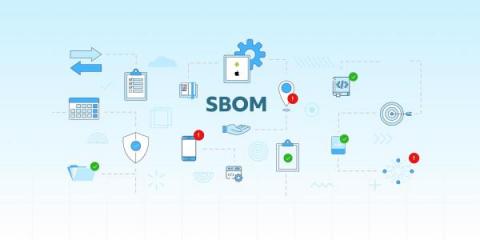
SBOM to Improve Software Supply Chain Security

As software systems become more intricate and the use of third-party components increases, the security risks within the software supply chain also escalate. To combat these risks, organizations are turning to the Software Bill of Materials (SBOM) as a valuable tool. This blog will guide you through the concept of SBOM and its impact on software supply chain security.

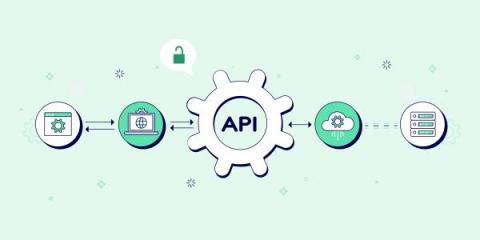
Understanding API Breaches: Insights from 'Outliers' and the Complexities of Cybersecurity

Over the last couple of decades in the cybersecurity industry, I have observed how APIs have gained significant importance in modern cloud-based architectures over the past few decades. In fact, they account for over 80% of all web traffic. However, this increased usage has also made APIs vulnerable to cyber threats. A closer look reveals that APIs are now one of the most prominent threat vectors in the cybersecurity landscape.

Enhancing Mobile App Security through Sandboxing & Isolation

Security Testing is a crucial step in the application development process. So, how about we say you can have a dedicated environment to test your app for potential threats such that the attached malware cannot spread, access, or modify the rest of your system's files, resources, and settings? Pretty lucrative, right? Application Sandbox and isolation technique is the holy grail of application security.

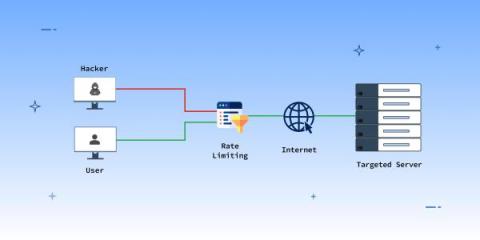
Preventing Denial of Service Attacks with Rate Limiting Techniques

A Denial of Service (DoS) attack will prevent your legitimate users from accessing your API. The attack could be physical, such as unplugging network cables, but a Distributed DoS is more prominent. It involves generating a volume of user requests from various machines to overwhelm your servers. DDoS attacks can result in a loss of $50,000 of revenue due to downtime and mitigation.

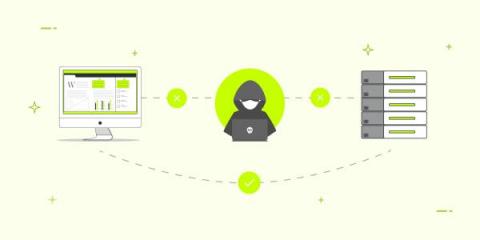
Enhancing Online Security: Effective Measures to Prevent MiTM Attacks

MiTM or Man-in-the-middle attack is one of the most common cyberattacks that online users must be aware of. Anyone who’s actively connected to the internet for both work and entertainment purposes is at risk of being a victim of a MiTM attack. Fortunately, you can prevent the above from happening. This blog is here to help. Below, we’ll discuss MiTM attacks, their types, how they work, and how to prevent becoming a victim.

Reverse Engineering Flutter Apps: What You Need To Know?

Reverse engineering is one of the most notorious methods using which hackers exploit an application or software. If you're in the mobile app development industry and use Flutter for app development, you'd know the threat reverse engineering poses to apps. While 100% protection from reverse engineering isn't possible, you can give the hackers a tough time trying to exploit your app. And this blog is there to help.

Panel Discussion: In Fintech We Build Trust-Our Banking Apps At Risk

In the rapidly evolving world of Fintech, trust, and security are of paramount importance. We have gathered an exceptional panel of industry experts who will delve into the challenges faced by Fintech companies in maintaining the trust of their customers and ensuring the security of their banking apps. Join our industry leaders comprising of Subho Halder Majorie Labindao Salinawati Salehuddin Md. Abul Kalam Azad,CISSP,CISA,CISM, CRISC.