Where a CISO Should Sit Within an Organisation - Razorwire Podcast
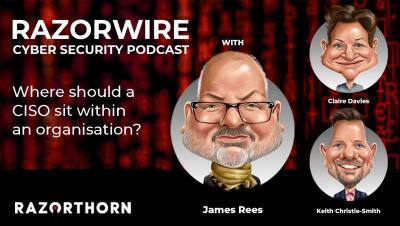
Welcome to Razor Wire Podcast! In this episode, we’re joined by Claire Davies of Arriva and Keith Christie-Smith of Claroty to discuss where a CISO fits best within an organisation, a bit of the history behind it, where trends have been in recent years, and where we think it’ll going to be in future. The role of CISO has traditionally been a part of IT and they often report to the CIO. This trend has been steadily changing over recent years, but the question remains: where should the CISO sit within an organisation? With security events increasing in cost and complexity, is it time that the CISO should sit on the board? Claire, Keith and cyber security consultancy MD James Rees - your host - share their opinions on the subject from the perspective of a CISO currently in the role and with insights from an Accounts Director who deals with CISOs from multiple companies across a wide range of different sectors. The format of our show is a group of us sitting here talking like we are down the pub talking about what we do for a living. So I am inviting you to join us in this episode to learn about CISO. Listen to this episode on your favourite podcasting platform.