The widespread adoption of cloud transformation and hybrid work are increasing the attack surface while attacks get increasingly sophisticated. Attacks targeting cloud infrastructure and email-borne threats have soared to unprecedented levels, making it critical for organizations to protect sensitive data regardless of where it may be stored.
Phishing is a big problem that’s getting even bigger as cybercriminals find new ways to hook employees. With threats coming from every direction – emails on company computers, text and voice messages on mobile devices and in personal communications channels, malicious typosquatting sites, phony marketing QR codes and more – it’s only a matter of time before someone trips up and opens or clicks on something they shouldn’t.
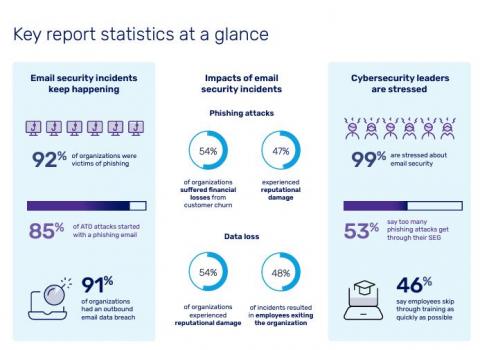
There’s a good chance that you have heard the word phishing or probably even been a victim in the past, however you do not understand what it really means and how to protect yourself from being a victim. According to CNBC, there were 225 million phishing attacks in 2022 which depicts a 61% increase from the number of reported cases in 2021.
BEC groups target companies worldwide, RedEyes hackers use new malware to steal data, and Devs targeted by W4SP Stealer malware in malicious PyPI packages.
Unless you’ve been avoiding your inbox like a cybercriminal avoids sunlight, you’ve probably seen something like this before: That right there is a classic example of a phishing email. Most security-aware individuals can spot a phishing email from a mile away. In the past, it used to be the misspellings, such as in this email, that gave it away. Now, misspellings and poor grammar aren’t ideal indicators of phishing attempts.
Mail filters play a huge role in protecting organizations from cyberattacks. Even though their task is quite small, they are very important for an organization’s ability to deter many malicious phishing and spam emails before delivery to a person’s inbox. According to the IBM X-Force Threat Intelligence Index, 40% of attacks in the manufacturing industry are phishing attacks, and 1 in 3 employees are most likely to fall for a phishing scam.
Read also: Russian cybercriminal convicted in $90M hack-and-trade scheme, US and UK slap sanctions on 7 Russians tied to TrickBot cybercrime gang, and more.
Everyone knows what phishing is. It has been around for more than two decades. Now it seems that phishing is more accessible than before. This blog covers how malicious actors can benefit from the rise of subscription models of phishing, or “Phishing as a Service.”