Security | Threat Detection | Cyberattacks | DevSecOps | Compliance

A Guide to Digital Privacy for You and Your Family

Having worked with many individuals responding to incidents where their digital private images were shared without consent, social media or email accounts had unauthorised access, and even physical safety was a concern, it is all too familiar how terrifying the unknown can be. As someone who has been on both the victim’s and later the responder’s side, I am qualified to express both the terror and knowledge of things you can do to take back control.

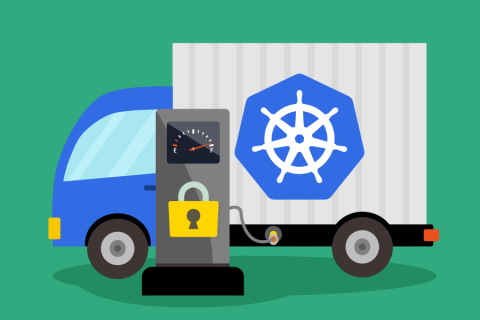
Supercharging Workload Security in Your K8s Cluster

2019 was a big year for Kubernetes adoption, and 2020 is sure to exceed that pace. Already, we have seen a large number of organizations migrating their workloads to Kubernetes (k8s) both in public and private clouds as they embrace a hybrid cloud strategy. With so much at stake, what are you currently using for network security inside your k8s cluster?

New PayPal phishing scam seeks to go beyond login credential information

Up until now, some of PayPal users’ greatest fears in terms of cybersecurity were phishing scams aimed at obtaining their login credentials. In January of this year, PayPal confirmed a high-severity bug affecting the login form, with PayPal security investigator, Alex Birsan, finding a javascript file with what looked like a CSRF token and a session ID – which makes login information vulnerable to attackers.

Recovering from OneDrive for Business ransomware attacks

Ransomware has been a growing threat in recent years, and experts now estimate the cost of these attacks at $7.5 billion in the USA alone in 2019. The affected institutions include 966 government agencies, educational establishments, and healthcare providers. Since most ransomware attacks stem from a small mistake made by one end user, either through phishing emails or stolen credentials, the threat is only expected to increase in the years to come.

How to Manage Third-Party Risk

Engaging with third-party vendors for the provision of goods and services isn't new. The level of digital transformation, paired with the number of third-party relationships and business partners the average organization has is. Third-party risk management programs need to evolve the manage this ever evolving type of risk exposure. Enterprise-wide organizations rely on third and fourth-party vendors. And many of them have access to sensitive data.

Why is Third-Party Risk Management Important?

Globalization and increasing regulatory pressure means more organizations need to examine their third-party vendors, service providers and supply chain in order to assess the level of risk, inform decisions and comply with laws. Failure to adequately assess third-party and fourth-party risk exposes organizations to reputational risk, operational risk, cyber risk, government inquiry, monetary penalties and criminal liability, Ignorance is no longer a valid defense.

Testimonial Video about Ignyte

Due to the increase in #frequency and volume of new security #threats. Organizations need to conduct a robust assessment to determine their risk and also evaluate their #preparedness. Ignyte's Integrated risk management platform is designed to meet rising expectations of the #compliance function and lay foundations for future success. Ignyte helps teams to look ahead and anticipate and mitigate #uncertainties to enhance business performance.