Security | Threat Detection | Cyberattacks | DevSecOps | Compliance

AI Deepfakes Are Impersonating Religious Figures to Solicit Donations

WIRED reports that deepfake attacks are impersonating pastors and other religious figures in order to scam congregations. Father Mike Schmitz, a priest who hosts a podcast with over a million followers, warned his listeners in November that AI-generated deepfakes were using his likeness to fraudulently solicit donations. WIRED found that several of these fake accounts are still active on TikTok, and they appear when a TikTok user searches for Father Schmitz.

Code Signing HSM Comparison for Secure Storage

A Hardware Security Module (HSM) is a tamper-proof device that has been built to generate, hold, and securely use cryptographic keys. With regard to Code Signing, an HSM guarantees that your private key (s) will remain inside a secure environment, without the ability for anyone else to take or abuse them in any manner. By doing this, the likelihood of your key being stolen, duplicated, or otherwise compromised is significantly reduced.

Inside the Deep & Dark Web Marketplace Fueling Financial Cyber Attacks

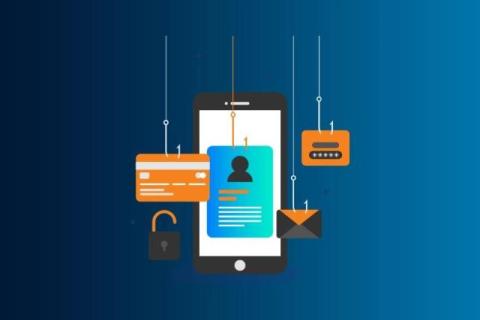
The deep and dark web isn’t chaos—it’s a fully functioning marketplace. In this clip from Exposed: Cyber Risk in the Financial Sector and its Supply Chain, Dov Lerner explains how aspiring attackers can purchase phishing kits, stolen bank credentials, initial network access, and even cash-out services—often without technical expertise.

Why Your Attack Surface Is Bigger Than Your SOC Can See | Financial Cyber Risk Explained

Your organization’s attack surface doesn’t stop at the network—and in financial services, that reality can’t be ignored. In this clip, Dov Lerner explains why even companies with strong internal security programs remain vulnerable when attackers target customers through phishing and account takeover schemes.

Top 10 SIEM best practices for modern security operations

Nowadays, it’s not uncommon for enterprise IT leaders to find themselves in a situation that seems like a catch-22. On one hand, they’re expected to make data-driven decisions that improve productivity and profitability in a business. On the other, they’re preoccupied with their core responsibilities such as protecting critical systems, maintaining network security, and accelerating investigations when a security event occurs. Traditional tooling won’t keep up with modern systems.

How X-Design's AI Agent Is Replacing Drag-and-Drop Branding Tools

The timeline for launching a brand has crashed. Two years ago, building an identity was a month-long slog of negotiations and revisions. Today, it happens in the afternoon. The old method of stitching together disjointed tools is dead; the market simply moves too fast for that.

Why Physical Infrastructure Still Matters in a Cyber World

As organizations accelerate cloud adoption and digital transformation, it's tempting to think physical infrastructure is becoming less important. Software-defined networks, virtual machines, and remote access tools dominate security conversations. Yet the reality is more nuanced. Digital systems still rely on physical foundations, and when those foundations fail, even the most sophisticated cyber defenses can unravel.