Security | Threat Detection | Cyberattacks | DevSecOps | Compliance

The Latest Cybersecurity News & Insights From Around The World



ACE Implementation: Revolutionizing Security & Risk Visibility #shorts
See how an enterprise gained critical visibility into their security posture. Uncovering previously unknown risks across applications, authentication, and internet exposure, leading to effective mitigation.

Automation, Intent, and Ownership: What to Learn from the AI Agent Security Summit
When the AI Agent Security Summit launched in San Francisco last October, agent-based threats had already escalated from a novel consideration to a predominant blocker for enterprise adoption. The security community was laser-focused on recognizing and minimizing the blast radius posed by agentic vulnerabilities, whether that meant indirect prompt injection, MCP poisoning, or hallucinations.

How to Eliminate Shared Database Passwords: MySQL, PostgreSQL, and More
Traditionally, engineers have relied on shared database passwords. When someone needs to run a query, they either already have standing access granted via a static credential everyone on the team knows, or someone has to scramble to create a quick workaround. Every new user, exception rule, or port forward through a bastion host becomes a “just this once” fix.
What is File Integrity Monitoring? #netwrix #datasecurity #identitysecurity
Track critical files. Monitor configuration changes. Know exactly what changed, when, and why. Because visibility is the first step to control.
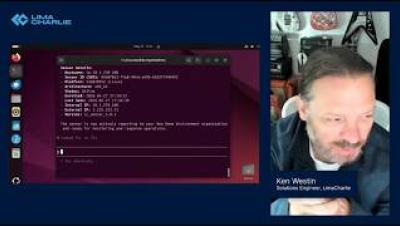
AI SecOps Worskhop Series: Building Custom Stand-Alone Dashboard Applications
This hands-on workshop is designed for security professionals, developers, and analysts who want to unlock the full potential of their security data through custom dashboards and visualizations. We will guide attendees through a practical, step-by-step process demonstrating precisely how to leverage the robust capabilities of the LimaCharlie API in conjunction with the power of Claude Code to build rich real-time dashboards.
Auto-investigate unresolved SentinelOne threats with Tines
Tired of manually triaging SentinelOne alerts and copying details into Jira? This story from the Tines library automatically pulls unresolved SentinelOne threats daily, filters out duplicates, and creates detailed Jira tickets for every net-new incident — so your team can focus on responding, not chasing alerts.
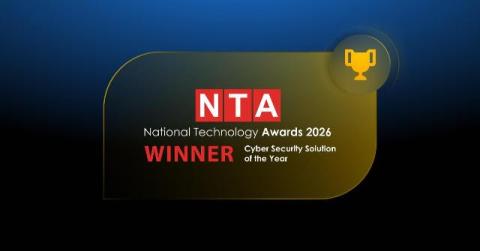
Keeper Security Named Cyber Security Solution of the Year at the National Technology Awards
Keeper Security has been named Cyber Security Solution of the Year at the 2026 National Technology Awards, recognising the company’s continued innovation in enterprise cybersecurity and identity protection. Hosted by National Technology News, the National Technology Awards celebrate organisations and technology leaders driving excellence, innovation and transformation across the UK technology sector.
What is an MSSP in Cybersecurity?
A Managed Security Service Provider (MSSP) in cybersecurity is a third-party organization that remotely manages and secures a client’s IT systems, networks and data. MSSPs provide cybersecurity services, including threat monitoring, incident response and compliance support. By outsourcing these functions, organizations can improve their security posture and reduce the burden on internal teams without requiring a large in-house security operations team.

ITDR automation best practices for security teams
ITDR automation best practices close the gap between when identity detection fires and when containment executes. Most programs detect identity attacks reliably but route the response to a human queue, turning active defense into a forensics workflow. Pre-built playbooks tied to high-confidence detection rules, plus protocol-layer blocking, are what convert ITDR from alert generation into attack containment. Identity-based attacks progress in minutes.