Security | Threat Detection | Cyberattacks | DevSecOps | Compliance

Automated Incident Response with SOAR

Cybersecurity incidents are the norm of the day. No organization has impunity. When a cybersecurity incident occurs, incident responders have to immediately respond to contain the incident and mitigate the damage. To this end, they have to execute the Incident Response Processes (IRP). Doing it manually is expensive and time-consuming and also less effective if your organization is facing too many incidents on a weekly or monthly basis.

3 Regulatory Compliance Trends That Are Accelerating in 2020

A growing attack surface and the exponential rise of data has opened the floodgates for breaches, leading to increased scrutiny by regulatory agencies. It’s not surprising that in recent years, regulators have had to double down with compliance mandates that are more stringent and punitive than ever before.

Hiding in plain sight: HTTP request smuggling

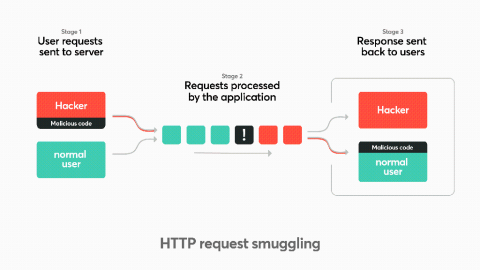
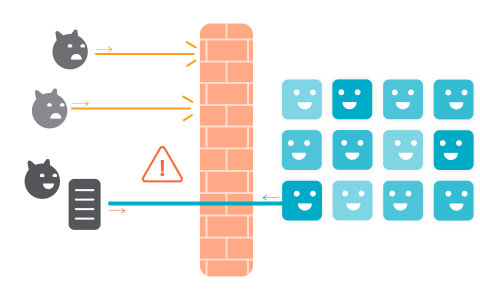
HTTP request smuggling is increasingly exploited by hackers in the wild and in bug bounty programs. This post will explain the HTTP request smuggling attack with remediation tips. HTTP request smuggling is an attack technique that abuses how two HTTP devices send requests between each other (typically a front-end proxy or a HTTP-enabled firewall and a backend server) or chaining multiple servers together with different configurations.

Detect reverse shell with Falco and Sysdig Secure

Reverse shell is a way that attackers gain access to a victim’s system. In this article, you’ll learn how this attack works and how you can detect it using Falco, a CNCF project, as well as Sysdig Secure. Sometimes, an application vulnerability can be exploited in a way that allows an attacker to establish a reverse shell connection, which grants them interactive access to the system.

SIEM vs. IDS: What is the Difference?

The main difference between a security information and event management (SIEM) solution and an intrusion detection system (IDS) is that SIEM tools allow users to take preventive actions against cyberattacks while IDS only detects and reports events. Security information and event management (SIEM) is an approach to cybersecurity combining: Note: the acronym SIEM is pronounced "sim" with a silent e.

How malware mimics the spread of COVID-19

It’s a weird time to be alive. Millions of people globally are living under government lockdowns, as we collectively endure the COVID-19 pandemic. COVID-19 has brought to light some fundamental truths about humanity, including our deep-seated need for social interactions. It has also highlighted how reliant we are on critical infrastructure like our healthcare systems and internet connections, both of which are currently strained.

Forrester's State of Application Security, 2020: Key Takeaways

In The State of Application Security, 2020, Forrester predicts application vulnerabilities will continue to be the most common external attack method. Because of this, organizations are urged to continue testing early in the software development life cycle (SDLC), implementing auto-remediation for security vulnerabilities, and shoring up production protections.

Expanding the IBM & Sysdig Relationship to Manage Cloud Security Risk

Today, we are pleased to announce the expansion of Sysdig’s relationship with IBM to extend cloud security governance with IBM Cloud Pak for Multicloud Management. Through a new OEM agreement, Sysdig Secure and the Sysdig Secure DevOps Platform are now available through IBM and IBM Business Partners. The combined IBM and Sysdig offering delivers centralized cloud visibility, governance and automation with in-depth container security intelligence for Red Hat OpenShift.