In May, President Biden issued an executive order designed to improve cybersecurity in the federal government and, by extension, the nation. Recently, details have started to come out about what this much-needed effort will involve. The latest development is a memorandum from the Office of Management and Budget that focuses on data log collection and analysis.
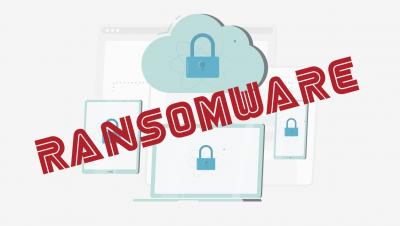
Recent cybersecurity incidents and ransomware attacks are driving companies to apply for cyber insurance. Meanwhile, over the last 12 months the rate of ransomware attacks has skyrocketed in both frequency and severity, driving significant changes in the cyber insurance marketplace. In years prior, cyber insurance submissions were simple and it was easy to obtain bindable quotes from multiple vendors.
On July 2, 2021, the cybersecurity world woke up to yet another ransomware attack—this time, the victim was Kaseya, a software enterprise that provides IT management solutions predominantly to managed service providers (MSPs). The attack made a huge impact, affecting several MSPs and thousands of their customers. So, what exactly transpired in what most cybersecurity experts are calling the largest criminal ransomware attack on record?
Third parties are a necessary part of your enterprise. They are your vendors, your suppliers, your contractors, and your partners. Without them, you can’t do business. Third parties provide cloud services, store sensitive data, and provide other important services. Unfortunately, third parties are also a major source of cyber risk. Cybercriminals often target third-party providers to target their clients’ data and networks, such as the notorious SolarWinds breach at the end of 2020.