What The New CMMC Rules Mean For DoD Contractors

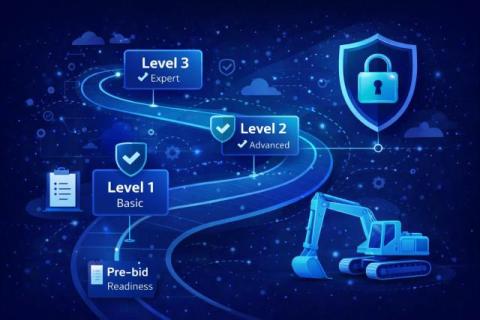
If your organization does business with the U.S. Department of Defense, or plans to, you need to know about a major change that just went into force. CMMC, or Cybersecurity Maturity Model Certification, is the Department of Defense’s standard for ensuring contractors meet basic cybersecurity requirements. It was designed to protect sensitive government data across the entire defense supply chain. As of November 2025, CMMC is no longer optional.

Navigating Workspace Compliance: Best Practices for Enhanced Security

Staying compliant is essential for protecting your organization from unexpected costs and reputational damage. As regulations grow more complex, businesses must ensure consistent adherence to security and data protection standards. With the rise of hybrid and remote work, solutions like Acronis Protected Workspace provide a secure, controlled environment designed to help organizations meet evolving compliance needs with confidence.

Alert Fatigue, Shoplifting Risk and 2025 Security Economics

The Razorwire Christmas Party 2025 episode compares most cyber incidents to shoplifting rather than aviation disasters, with losses treated as part of the cost of doing business. Burnout in 2025 often grows from false positives, alert fatigue and badly shaped workflows, so security economics and ergonomics matter more than dramatic nation state stories.

The Best AI RMM Software: Features, Benefits, and Key Comparisons

Managing today’s complex and distributed IT environments requires more than traditional monitoring tools. MSPs need intelligent and automated systems that can detect issues early, streamline service delivery, and strengthen security across every endpoint they manage. That is where AI RMM software becomes essential. By providing a centralized platform, AI RMM software enables managed service providers to monitor client endpoints and perform remote management efficiently.

5 IT Pros, 900 Users: Papernest Scales Global Operations with JumpCloud [Español]

How does a lean IT team of just 5 people support 900 users across offices in Barcelona, Paris, and Reims? In this video case study (presented in Spanish), Carles Anton Güell, IT Manager at Papernest, explains how they moved away from "tedious" Active Directory to a single unified solution. By integrating JumpCloud with their Google Workspace, Papernest centralized identity, hardware (MDM), and office Wi-Fi into one seamless workflow.

Why Physical Brand Assets Still Matter in a Zero-Trust Digital Workplace

In today's digital-first work environment, organizations are embracing zero-trust security models to protect sensitive data, manage access, and prevent cyber threats. The focus is heavily on technology-firewalls, authentication protocols, endpoint monitoring-but in the rush to secure the digital realm, one crucial element is often overlooked: physical brand assets. From branded merchandise to office signage, these tangible items continue to play an essential role in reinforcing company identity, culture, and security awareness.


What to Do If a Slip and Fall Happens in a Building With No Cameras

Slip and fall accidents inside buildings that don't have surveillance cameras can make things trickier when you're trying to prove what actually happened. The best way to build a solid case without video evidence? Get obsessive about documenting the scene and your injuries, right from the start. Snap a bunch of photos, hang onto any clothing that got wet or torn, and get checked out by a doctor as soon as you can. All of this stuff lays the groundwork for your claim.

Zestix Threat Actor Profile | TTPs, Victims, and Breach Activity

Zestix is identified as a criminal threat actor primarily motivated by personal gain. The actor first emerged in September 2025 and operates at an intermediate resource level, functioning as an individual. Zestix has been involved in significant data breaches, notably targeting organizations in the transportation and government sectors.