The "Great Cannon" Has Been Deployed Again

Summary The Great Cannon is a distributed denial of service tool (“DDoS”) that operates by injecting malicious Javascript into pages served from behind the Great Firewall. These scripts, potentially served to millions of users across the internet, hijack the users’ connections to make multiple requests against the targeted site. These requests consume all the resources of the targeted site, making it unavailable.


PSA: Beware of Exposing Ports in Docker

Docker is an awesome technology, and it’s prevalent in nearly every software developer’s workflow. It is useful for creating identical environments and sharing them between development, testing, production, and others. It’s a great way to ship a reliable software environment between systems or even to customers. However, like with any technology, one must know how to be secure when using it.

TripAdvisor: Building a Testing Framework for Integrating Open Policy Agent into Kubernetes

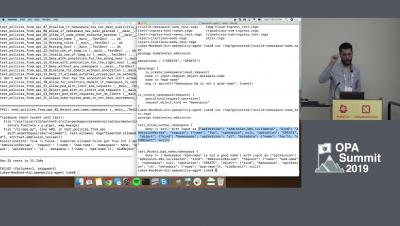
From the Open Policy Agent Summit at KubeCon, Luke Massa from TripAdvisor discusses how he leveraged OPA’s API and unit test framework. The example shown is a system in which you write k8s admission policy alongside some mock changes to the cluster, some of which should be accepted and some of which should not be, and then run code that tells you whether your policy matches your expectation.

17 Ransomware Examples

Ransomware, a type of malicious software or malware, is designed to deny access to computer systems or sensitive data until ransom is paid. While ransomware has been around for decades, ransomware attacks are becoming more sophisticated, spreading through phishing emails, spear phishing, email attachments, vulnerability exploits, computer worms and other attack vectors.

The New Sumo Logic AWS Security Quick Start

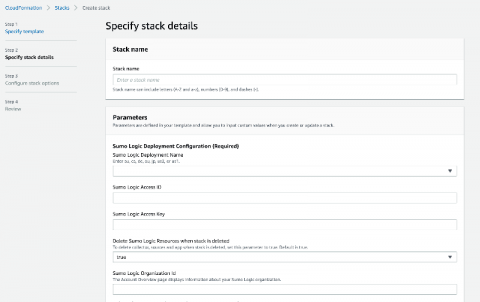
Security is a top concern for any enterprise to move their applications and workloads to the public cloud. AWS offers a broad selection of native security tools and as our Continuous Intelligence Report noted, AWS customers are using several of these to improve the security of their AWS environment. However, it can be overwhelming to know where to start and how to deploy best practices for detecting security misconfigurations caused by human errors and attacks from external sources.