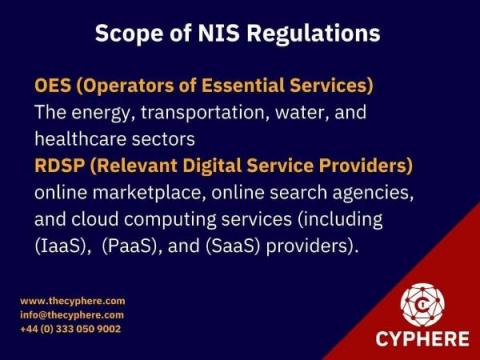
The NIS Regulations were enacted in May 2018 to implement the EU Directive to achieve NIS compliance.
Cybersecurity is never static, and that’s especially true today. After widespread and frequent disruptions in the past few years, the cyber defense landscape is shifting. Favored attack vectors are changing, new threats are emerging, and organizations are rethinking their cybersecurity focus. Staying safe in the next few years requires an understanding of these developments. With that in mind, here are five data-backed predictions for how the state of cybersecurity will change.
Organizations are under constant threat of cybercrime. While there are many available attack vectors, email is the most obvious path towards a full network compromise. The notion that email security should be prioritized is emphasized during this time where more and more businesses are still working in a remote or hybrid dynamic environment.
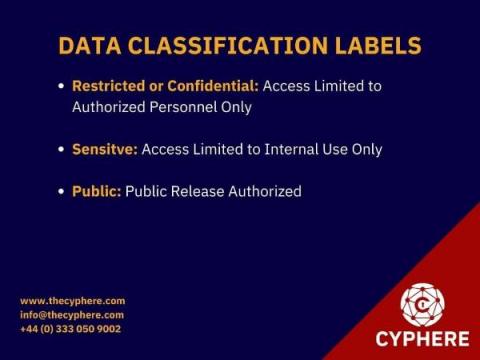
Data classification policy is the predefined course of action that helps to identify the sensitivity of the data. The actions include categorizing data in a way that reflects its sensitivity, such as protecting data for confidentiality, integrity, and availability.
The majority of threats related to the authentication process are associated with passwords and password-based authentication methods. But broken authentication also causes a significant amount of vulnerabilities. Broken authentication occurs when the implementation of the authentication process is flawed. Unfortunately, this is usually hard to discover, and can be more severe than the risks associated with passwords.
For a Cloud Service Provider (CSP) to be FedRAMP accredited, it must complete the following six phases. They are diagnostic assessment, boundary and architecture review, documentation, technical remediation, testing preparation & residual risk, and Final Authorization to Operate.
Just like any compliance or set of regulations, FedRAMP uses many acronyms and key terms to describe processes, standards, and regulations. This article explains key terminology that is used in the FedRAMP framework. You may already be familiar with some of these compliance terms and acronyms from other security frameworks.