Student Verification: How Edtech can benefit from Student ID Verification APIs

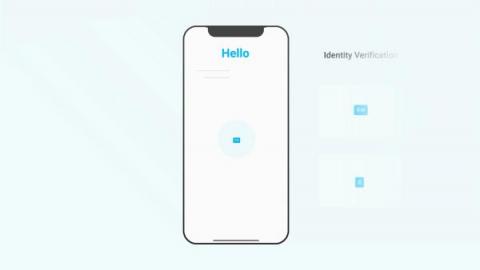
Due to the growing acceptance of distance learning, digital courses, and most recently, the COVID-19 epidemic, online education has seen a significant increase. Online student identity verification has become more popular as a quick and secure method of verifying student IDs and a cost-effective approach to onboarding new students and employees. The rapidly disappearing manual and paper-based student verification procedures are neither scalable nor practical for educational institutions.
AvosLocker Ransomware Update: Backup Targeting and Defense Evasion Techniques

Kroll analysts have identified new tactics used by threat actors associated with the AvosLocker ransomware. Critical vulnerabilities have been exploited within Veeam Backup and Replication, which may be an attempt to hide activity from detection technologies. The proxy tool “Chisel” has been identified, which can encrypt traffic through a victim’s firewall and could be used as a further evasion technique.

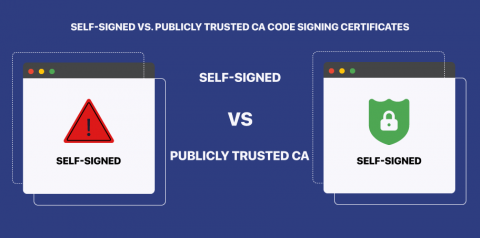
Self-Signed vs. Publicly Trusted CA Code Signing Certificates: What to Choose?

Being a developer, it has become your moral responsibility to offer clean and safe software products for users to install on their systems. You can easily tackle this by signing your software code and other executables with a digital security certificate.

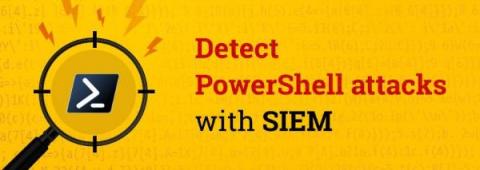
Great Power(Shell) doesn't always come with great responsibility: Sometimes, SIEM is all you need

Fileless threats are on the rise. These threats occur when cybercriminals use pre-existing software in victims’ systems to carry out attacks, instead of using a malicious attachment or file. More often than not, a criminal’s favorite tool for a fileless attack is PowerShell.

MFA Prompt bombing: What you need to know

Have you ever had to set up your Gmail account on a secondary device, such as your tablet, and when you tried to login, verification prompts were sent to your original device to confirm that the login attempt was done by you? You confirmed the login, and that ended it. That is exactly what happened to an Uber employee whose account was compromised.

Tips for Developing Your Ransomware Strategy

Ransomware attacks continue to make headlines and cause havoc on organizations on an international scale. Unfortunately, we should expect that ransomware attacks will persist as one of the primary threats to organizations. Ransomware attacks have grown 350% in recent years, and while the best strategy is to prevent attacks from happening in the first place, there is no guarantee your data won’t be compromised.

The Top 5 CCPA Software Solutions

The California Consumer Privacy Act (CCPA) is a law that allows California consumers to ask companies to provide them with all the information they have stored about them as well as a full list of any third parties that the company has shared that data with. In addition, the California law gives consumers the right to sue companies if the privacy guidelines are violated, even if there have been no actual breaches of privacy.

Why endpoint security and MFA should always go together

The current cyberattack landscape has forced companies to look for new forms of protection, which is why they are increasingly resorting to the use of cyber insurance. The figures are alarming: 148,104 malware attacks are launched every day, which translates into 6,172 attacks per hour. The consequences of a breach can mean dedicating a large part of a company’s resources to restoring computer systems and dealing with any ensuing penalties and lawsuits.