Boosting Identity Security: Advanced use cases

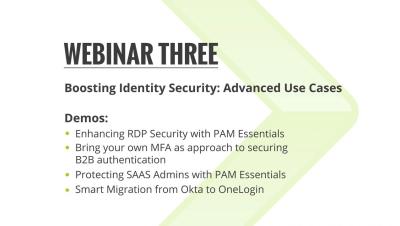
Join us for the third and final installment of a three-part webinar series presented by Intragen and One Identity. In this webinar, experts will cover how to boost identity security by looking at specific advanced use cases. Demos will include enhancing RDP security, securing B2B authentication, protecting SaaS admins and smart migration from Okta to OneLogin.

Mexican Organizations Under Attack from Specialized Cyber Criminals

A crafty group of cybercriminals has been relentlessly pursuing Mexican banks, cryptocurrency platforms and other organizations in an extended campaign stretching back over two years. Their weapon of choice? A heavily customized version of the AllaKore remote access trojan (RAT). These threat actors are ruthlessly targeting any large Mexican enterprise they can get their hands on. With a sweet spot for companies pulling in over $100 million in annual revenue, they're not messing around with small fry.

AppTrana Bot Management Enhancements - User-Defined Bot Policies and More

Have you ever wanted to fine-tune the configuration of your Bot Management? With self-service rules, you get finer control over bot scoring and customize it according to user behavior on your applications. In this blog, we will cover three use cases that will explain how to use this feature.

Essential Code Signing Compliance Checklist Beyond 2023 to Ensure Code Integrity

Code signing has successfully established itself in the backdrop of the rapidly transforming digital space as a critical security mechanism for software distribution. Through the digital signing of source code, developers and publishers offer users confidence about their software’s validity, founder, and quality. Though cyber threats had been positively enhanced, the demands for a high level of compliance and strict code signing requirements had become more necessary.

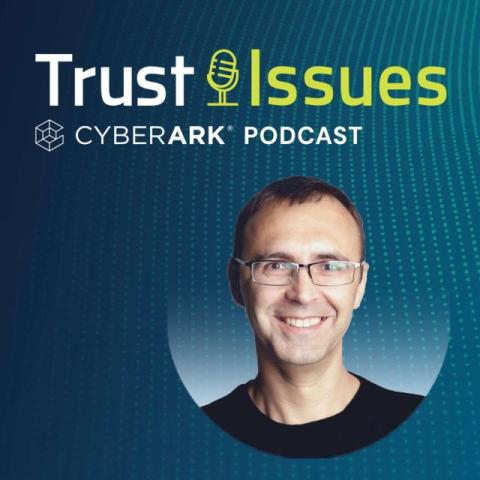
EP 55 - AI Insights: Shaping the Future of IAM

In this episode of Trust Issues, Daniel Schwartzer, CyberArk’s Chief Product Technologist and leader of the company’s Artificial Intelligence (AI) Center of Excellence, joins host David Puner for a conversation that explores AI’s transformative impact on identity and access management (IAM). Schwartzer discusses how CyberArk’s AI Center of Excellence is equipping the R&D team to innovate continuously and stay ahead of AI-enabled threats.

What's the Difference Between Signed and Unsigned Drivers?

A Signed Driver is a software entity which is usually a device driver or can be a kernel module and has been signed cryptographically by its developer or producer using its digital signature. This mark renders a unique identification and authentication mechanism ensuring authorship and integrity protection. Signed drivers are the main actors who guarantee the system’s safety and stability by permitting only trusted and verified software components to communicate with the kernel.

The Role of Cybersecurity in Modern Construction and Manufacturing

Cybersecurity and threat preparedness may be at the forefront of your mind, and you may have protections in place against more common threats. Yet, as these threats continue to evolve, vigilance and adaptation are crucial for construction and manufacturing organizations.

8 Mobile Banking Security Tips to Protect Your Finances

Like everything we do, our devices have become a valuable asset in managing our lives. One of the most important things we all have to manage is our finances, and mobile banking has become the new norm for many of us to: The number of people relying on online banking is steadily increasing. By 2025, the number of people managing their finances is projected to reach 217 million. For this reason, mobile banking security is crucial to prevent cyber criminals from emptying your accounts.

The Role of Supply Chain Cyber Risk in U.S. Healthcare: Inside SecurityScorecard's new report

In late February of this year, Change Healthcare experienced a massive ransomware attack. The company, a subsidiary of United Healthcare, is the largest clearinghouse for insurance billing and payments in the U.S, processing 15 billion medical claims each year.