The Role of ISO 27001 in Enhancing Information Security

In today's digital age, information security is paramount for organizations of all sizes and industries. Protecting sensitive data from cyber threats, unauthorized access, and other vulnerabilities is a critical concern. One of the most effective frameworks for achieving robust information security is ISO 27001. This international standard provides a comprehensive approach to managing and safeguarding information assets. This article delves into the role of ISO 27001 in enhancing information security, exploring its key principles, benefits, and implementation strategies.

Strengthening your defenses: Aligning Firewall Analyzer with the new PCI DSS v4.0 standards

According to IBM’s 2023 Cost of a Data Breach Report, the global average cost of a data breach is $4.45 million. This includes expenses related to detection, response, and post-breach costs. Moreover, non-compliance can result in regulatory fines. For instance, GDPR violations can lead to fines of up to €20 million or 4% of the company’s annual global turnover, whichever is higher. The challenges don’t stop there.

How To Protect Sensitive Data

The best ways to keep your sensitive data safe include using strong passwords for each of your online accounts, backing up your data regularly and investing in a password manager. Your data is important and should be protected to reduce the risk of identity theft and other cyber threats. Continue reading to learn what is considered sensitive data, how to protect your sensitive data and how Keeper can help.

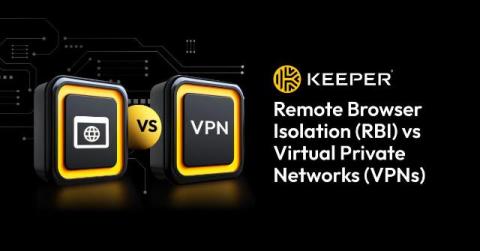
Remote Browser Isolation (RBI) vs Virtual Private Networks (VPNs)

The main differences between Remote Browser Isolation (RBI) and Virtual Private Networks (VPNs) are the type of user activity they secure and the way in which they secure it. While RBI protects users against web based threats by providing privacy and security through isolating browsing activity from the user’s device and network, VPNs encrypt data and mask the user’s IP address for all internet traffic. This article will examine these differences in more detail.

DPDP vs. GDPR: Navigating the Complexities of Data Protection Compliance

As data privacy concerns rise globally, regulations like the General Data Protection Regulation (GDPR) in the European Union and the Digital Personal Data Protection (DPDP) Act in India have been established to safeguard personal information. While both frameworks aim to protect individuals’ data, they vary in scope, requirements, and enforcement. In this blog, we’ll explore the similarities and differences between DPDP and GDPR, focusing on key regulatory requirements.

MITRE ATT&CK: API-based Enterprise Techniques and Sub-techniques

Imagine you have a backpack with a granola bar buried at the bottom and a tenacious tiny dog who loves snacks. Even though the dog shouldn’t be able to reach that granola bar stored away carefully, it managed to open a zipper and snoop through the contents to eat the snack. From an IT environment standpoint, Application Programming Interfaces (APIs) are the backpack carrying sensitive – but appealing to attackers – data.

Out with the Old - Keeping Your Software Secure by Managing Dependencies

During 2023, the U.S. witnessed a record high in supply chain cyber-attacks, affecting 2,769 organizations. This figure represents the largest number recorded since 2017, marking an approximate 58% annual increase in impacted entities. If there ever was a doubt, now it’s crystal clear that YOUR SOFTWARE SUPPLY CHAIN IS A TARGET. Developers, DevOps and Security teams must prioritize processes that enhance security for all phases of the software supply chain.

Active Defense and Offensive Security: The Two Sides of a Proactive Cyber Defense Program

Offensive security and active defense may appear at first glance as contradictory cybersecurity solutions, but when paired, they create complementary and robust protective solutions. Let's take a quick look at what each solution offers before we go into the details. Offensive security involves attempting to identify flaws in an organization before a threat actor has a chance to exploit them.