The PCI certification process is quite comprehensive and relates to infrastructure, software and employee access to systems, in particular to datasets and the way that they are accessed. These checks are critical not only to the wider payments industry but also to create a level of trust with users knowing their data is protected. The PCI compliance process is a number of checks, usually by an accredited third party, to ensure that secure data handling processes are in place.
The Payment Card Industry Data Security Standard, also known as PCI DSS is a thorough process that reviews a company’s systems and policies for handling and storage of sensitive consumer cardholder data.
We know how complicated and resource-consuming it can be to comply with the standards set up by the PCI (Payment Card Industry) Security Standards Council. It’s not surprising that less than 1 in 5 businesses (around 18%) assess their PCI DSS controls more frequently than is required by the regulation. However, things become a lot easier and streamlined with PCI DSS gap assessment.
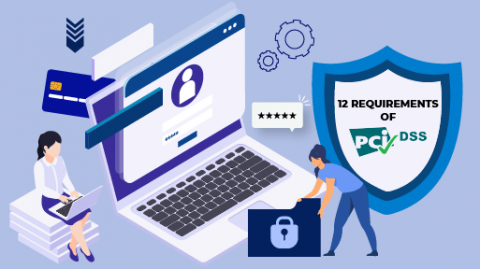
The rules set forth by PCI-DSS can seem complicated. Four levels, 12 requirements, multiple credit card brands: it’s easy to get lost in the details of PCI-DSS requirements. However, merchants who fail to meet the PCI compliance standard face heavy consequences. Not only do these companies put their customer data at risk, they also may face hefty fines that can range from $5,000 to $100,000 per month.
Data security and privacy are today a prime focus for most organizations globally. While there have been several regulations and standards introduced to improve data security, the evolving landscape makes it challenging for organizations to stay compliant. For many organizations, GDPR and PCI DSS are the first topics that come to mind when privacy is concerned.