Security | Threat Detection | Cyberattacks | DevSecOps | Compliance

Foundational Controls Make the Hard Things Easier to Do

Let’s begin with a short story. Imagine that we have two large organizations in the public sector. These entities are very similar. Both are on the receiving end of cyber threats. Both adhere to multiple compliance standards. And both need to ensure that their IT systems are functioning and working as planned. But they’re not entirely the same. Take Organization A, for example.
Demystifying PCI Software Security Framework: All You Need to Know for Your AppSec Strategy

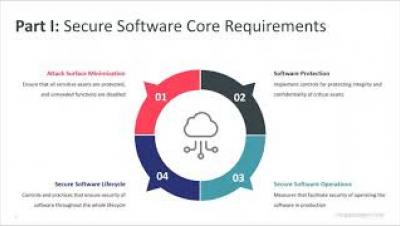
The Payment Card Industry (PCI) Security Standards Council recently released a new security framework to replace the previous standard (PCI PA-DSS). The new framework is set to better address the changes that the software development industry has seen in the past few years. Agile and DevOps methodologies, cloud and containerized environments and widespread open source usage have become the new normal and with this, present new AppSec challenges. To ensure that users of payment apps remain safe, the new framework aims to lay a substantial value on continuous application security.

Is your business PCI DSS compliant?

How Chooseus Life Insurance lost its customers’ cardholder details and their trust In August 2019, reporters began flocking to Chooseus Life Insurance’s head office in Detroit after news leaked that thousands of the company’s customers had lost money due to a security breach. The CEO of this life insurance company released the following statement: “We have had your trust for two years.

Privileged Password Policy Compliance Overview: NIST 800-63, HIPAA, PCI DSS, GDPR

Privileged passwords should be used wisely. These credentials, also called secrets, provide a user with access to protected accounts, systems, networking hardware, cloud instances, and applications. Since privileged accounts also have elevated permissions, passwords to these accounts are often targeted by cybercriminals. In fact, weak, reused, and compromised passwords are the cause of 81% of all data breaches according to the Verizon 2019 Data Breach Investigations Report.

Verizon's 2019 Payment Security Report - Not Just for PCI

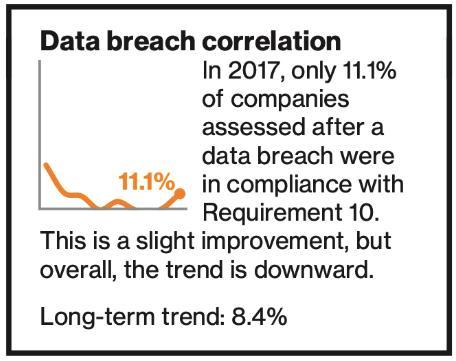
If you are responsible for cybersecurity or data protection in your organization, stop what you are doing and read this report. Actually, first, go patch your servers and applications and then read this report. Much like Verizon’s Data Breach Investigations Report (DBIR), the Payment Security Report (PSR) is a must-read for security professionals.

Strong Customer Authentication: A Vehicle for PCI-DSS Compliance

Payment services that operate electronically should adopt technologies that guarantees the safe authentication of the user and reduces, to the maximum extent possible, the risk of fraud. In order to achieve this, the European Union in 2007 passed the Payment Services Directive (PSD). The aim of this legislation is to regulate payment services and payment service providers throughout the European Union (EU) and European Economic Area (EEA).