Security | Threat Detection | Cyberattacks | DevSecOps | Compliance

[Cybersecurity Awareness Month]: Keeping Enkryptor at Bay: How We All Can Help Beat Back Ransomware

Ransomware is the gift that keeps on giving… and taking. I’ve been tracking ransomware for almost nine years now, and I’ve seen it progress from simple and annoying malware to an organization-ending threat for many. I’m not big on pushing FUD (Fear, Uncertainty and Doubt), so when I say that it is one of the biggest cyberthreats to organizations in the small and medium-sized business space, I am not exaggerating.

Exposing Salt Typhoon on the network using the PEAK Threat Hunting Framework

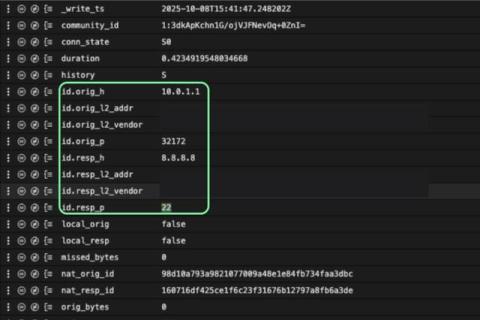
How do you find an adversary who lives where you can't easily look? A recent CISA advisory on the state-sponsored actor "Salt Typhoon" highlights this exact challenge. These actors aren't just breaking in; they're moving in. They persist on network edge devices like routers and firewalls—critical infrastructure that often sits outside the view of traditional endpoint security. From this vantage point, they capture traffic, steal credentials, and plan their next move.

PhishinGit - GitHub.io pages abused for malware distribution

This blog discusses PhishinGit, a phishing campaign uncovered by CYJAX that abuses GitHub.io pages to distribute malware disguised as Adobe downloads. It explains how threat actors used Browser-in-the-Browser (BitB) techniques, Dropbox-hosted payloads, and anti-analysis JavaScript to evade detection. The blog also explores the attack chain, observed mitigations, MITRE ATT&CK mapping, and indicators of compromise (IOCs) to help organisations identify and defend against similar threats.

Ready or Not?? New 11:11 Ransomware Report

The statistics in our Ransomware Report are sobering: ransomware attacks occur roughly every 11 seconds, with 85% of organizations suffering at least one attack within a 12-month period. For IT professionals managing critical infrastructure, the question isn’t if you’ll face a cyber incident—it’s when. The numbers are staggering: cybercrime damages are projected to reach $23 trillion annually by 2027.