Security | Threat Detection | Cyberattacks | DevSecOps | Compliance

PQC Post Quantum Cryptography Explained: Why Today's Encryption Has an Expiration Date

The encryption protecting today’s data isn’t broken, but it does have a timeline. This video breaks down why current systems like TLS, PKI, and RSA remain secure today, and how quantum computing will change that. As progress accelerates toward large-scale quantum machines, organizations must prepare for a new era of security. Learn how PQC (post-quantum cryptography) helps address emerging risks like “harvest now, decrypt later,” and why tracking adoption of quantum-safe encryption is critical now, not later.


CVSS Scores Alone Can Mislead Vulnerability Prioritization

Not every high-severity vulnerability represents the highest risk. Learn why effective prioritization requires more than a CVSS score and how factors such as reachability, exploitability, active exploitation, and asset criticality provide the context needed to focus remediation efforts where they matter most.

Why Severity Scores Don't Tell the Full Risk Story

Security teams have long relied on severity scores to prioritize vulnerabilities, but severity alone doesn't reveal which exposures pose the greatest immediate risk. This video explores why factors like asset criticality, reachability, and time-to-danger are becoming essential for effective vulnerability prioritization, helping teams focus on the risks that matter most.

A Day in the Life at a Cybersecurity Company UpGuard

Ed Kost, Content Strategist at UpGuard, gave us a day in the life. Turns out there's a lot more to a cybersecurity content strategist than vendor risk management. We hire talented people and let them be themselves, which is how you end up with someone like Ed. Every UpGuardian brings a little something extra to the team. UpGuard helps organizations manage third-party risk (TPRM) and monitor their attack surface. But great security work starts with a team of people worth spending your day with.

Unlock MSP Growth: How AI Drives Operational Efficiency and New Revenue | WatchGuard Webinar

Artificial intelligence is no longer a future consideration for MSPs because it is already reshaping how leading providers run their businesses, protect their clients, and create new revenue streams. Separating real business value from hype requires a clear-eyed, practitioner-driven perspective.

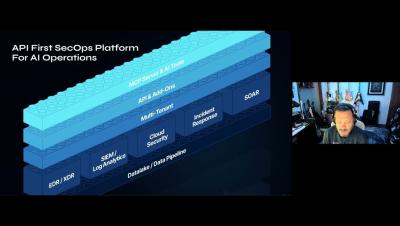
AI in the MSSP SOC: From Pilots to Production

Every MSSP is under pressure to adopt AI, and most of the advice available is either vendor hype or generic guidance written for enterprise teams with one environment to manage. MSSPs face a harder problem: any AI they adopt has to work across dozens or hundreds of client stacks, respect tenant boundaries, and produce results an analyst can defend to a customer. In this session, Sr. Solutions Engineer Ken Westin lays out a practical roadmap for bringing AI into service provider security operations.

The Pentest PDF Is Dead. Here's What Replaced It.

One team. One engagement. One PDF three weeks later. Already outdated. That was the old model. This video explains the new one. Autonomous pentesting runs continuously, finds attack chains, validates every finding, and delivers fixes to your developer's IDE the same day. No backlog. No waiting. No guessing. 60 seconds. Watch it.

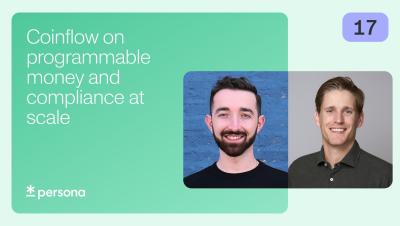
Coinflow on programmable money and compliance at scale - S3E5

In this episode, we dive into the payments revolution with Daniel Lev, CEO and Co-Founder of Coinflow. Daniel brings a rare blend of expertise: he started in large-scale digital transformation at PwC, moved into product at Amount (the Chicago-based fintech unicorn), and previously co-founded and exited a Web3 sports gaming platform before launching Coinflow.