Security | Threat Detection | Cyberattacks | DevSecOps | Compliance

UpGuard Creating Risk Waivers in Risk Assessment Demo // Chris Schubert, Senior Product Manager

Hear from UpGuard's Senior Product Manager, Chris Schubert, as he introduces you to UpGuard's new Risk Waiver workflow in Risk Assessments. This quarter, we’ve expanded our risk assessments framework so that you can waive risks within each individual risk assessment. This feature streamlines the risk waiver workflow so you can now create, review and waive risks all within a risk assessment.

UpGuard Shared Profiles and NDA Protection // Harsh Budholiya, Product Marketing Lead

Learn from UpGuard's Product Marketing Lead, Harsh Budholiya, as he introduces you to UpGuard's NDA Protection feature in Shared Profiles. As part of Shared Profiles, you now have the option to add a non disclosure agreement, or NDA, that must be accepted by organizations before access is granted. This gives Shared Profile owners complete visibility and control over their privacy settings with features including access controls and logs to ensure sensitive and private information contained in Shared Profiles remains secure.

How to Migrate Snyk to the new Bitbucket Cloud App Integration

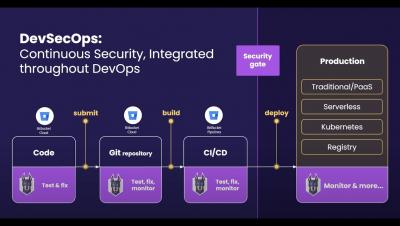
Snyk has a new and improved Bitbucket Cloud App. The new Snyk Security for Bitbucket Cloud App features the same Bitbucket experience with a streamlined onboarding process and improved enterprise functionality. Here's how to migrate your existing Snyk as Bitbucket Cloud App (Legacy)—to the new Bitbucket Cloud App integration.

The Simply Cyber Report: November 29, 2022

Most commonly used passwords in 2022. A new red teaming tool called Nighthawk. Avast has published a report on the Venomsoft malware chrome extension. WhatsApp data leak: 500 million user records for sale. Recommendations that statistically reduces the number of cyber incidents experienced by a business by a whopping 85%.

Adventures in Open Source: A conversation about the journey and lessons learned

Open source as a philosophy was born alongside the Internet at a time when the world was much more optimistic. The naysayers said it couldn’t be done, that it wasn’t secure, and that it was just a matter of time before all these projects failed. Fast forward 30-40 years and the open source ecosystem is thriving. Linux runs on the top 500 super computers in the world, almost 95% of the world’s servers, and 85% of all smart phones.