New in Vanta | October 2023
This past month, we announced the single destination to showcase your security posture, Vanta Trust Center, 19 new integrations, Private Links for Vendor Risk Management, and more:


This past month, we announced the single destination to showcase your security posture, Vanta Trust Center, 19 new integrations, Private Links for Vendor Risk Management, and more:
The National Institute of Standards and Technology has introduced a new revision of the Special Publication 800-53, revision 5. As with any document change of this scope there are minor and major changes. This paper will provide a high level overview of the significant changes, addressing a redefined focus in control families, accountability, governance, as well as a discussion of new control families, privacy transparency and supply chain risk management.
Maine hosts over 1.3 million people within a granite and forest landscape. The state government employs under 100,000 individuals but does not contain fewer departments than more populous states like California. Maine’s state departments coordinate with each other by using backend file transfer systems; a globally utilized file transfer tool, Progress Software’s MOVEit application, has put nearly all Maine resident information at risk.
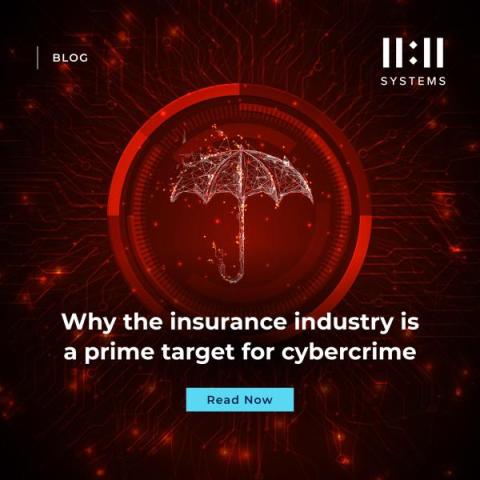
Insurance companies, like other financial institutions, face a range of unique cybersecurity challenges and considerations. Responsible for safeguarding treasure troves of sensitive data, the industry has long been a prime target for cybercrime — a trend that has endured even as today’s IT landscape, and the threats against it, continue to evolve.
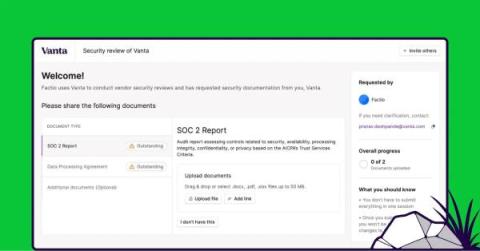
When it comes to conducting vendor security reviews, the two most time-consuming tasks are gathering the relevant information from your vendor and analyzing it thoroughly. Last month, we announced AI-powered security document analysis to drastically simplify the process of extracting insights from SOC 2 reports, DPAs, and other sources that document a vendor’s security posture.
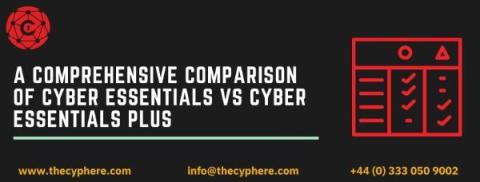
Protecting sensitive data and maintaining customer trust is paramount, and demonstrating your data security commitment is equally important. One way to achieve this is by obtaining a Cyber Essentials certification. But what are the differences between “cyber essentials vs cyber essentials plus”, and how do they impact your organisation’s cybersecurity strategy?
Organisations must ensure their defences are robust enough to withstand attacks and demonstrate these to their customers, supply chain and staff. This is where Cyber Essentials Plus certification comes in – a government-backed scheme that helps organisations bolster their security posture and protect against common cyber attacks.