Security | Threat Detection | Cyberattacks | DevSecOps | Compliance

Cyber Essentials NHS and Healthcare Organisations

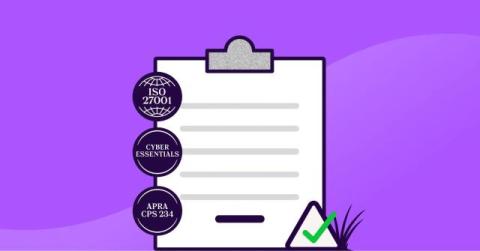
Cyber Essentials scheme is a UK government-backed initiative designed to help organisations, large or small, shield themselves from common cyber threats. It outlines a straightforward set of technical security controls that, when appropriately implemented, can reduce an organisation’s attack surface. This is particularly vital for NHS and healthcare organisations. They handle NHS data that needs robust protection.

Stories from the SOC: Caught in the Trap: Detecting and Defending Against RaccoonO365 Phishing Campaigns

In September 2024, LevelBlue conducted a comprehensive threat hunt targeting artifacts indicative of Phishing-as-a-Service (PhaaS) activity across our monitored customer fleet. During the investigation, the LevelBlue Managed Detection and Response (MDR) Blue Team discovered a new PhaaS kit, now identified as RaccoonO365. The hunt confirmed true-positive compromises of Office 365 accounts, prompting swift customer notifications and guidance on remediation actions.

Back to the Basics For 2025: Securing Your Business

Cybersecurity may seem complex, but it boils down to consistent implementation of best practices. Disabling unnecessary services, securing cloud configurations, enforcing MFA, training employees, and adopting a proactive security mindset are crucial steps to safeguarding your business. In 2025, prioritize these basics to significantly reduce your exposure to threats and maintain trust with your clients and partners.

What is the Threat Landscape?

The threat landscape refers to the evolving environment of cyber threats, attack methods, and attack vectors targeting organizations, governments, and individuals. Shaped by threat actors like hackers, nation-states, and criminal groups, it has grown increasingly complex with the rise of cloud computing, IoT devices, and interconnected supply chains. These changes have expanded attack surfaces, offering adversaries more opportunities to exploit vulnerabilities.

Cybersecurity Forecast: Key Predictions for 2025

As we head into 2025, the cybersecurity landscape is set to become more complicated than ever before. The evolution of artificial intelligence has touched every part of the digital landscape, creating both new opportunities and new risks. As cyber attackers adopt more sophisticated tactics, techniques, and procedures, organizations will have to be forward-thinking to fortify their defenses.

Detecting and mitigating CVE-2024-12084: rsync remote code execution

On Tuesday, January 14, 2025, a set of vulnerabilities were announced that affect the “rsync” utility. Rsync allows files and directories to be flexibly transferred locally and remotely. It is often used for deployments and backup purposes. In total, 6 vulnerabilities were announced to the OSS Security mailing list. The most severe vulnerability, CVE-2024-12084, may result in remote code execution. This post will cover how to detect and mitigate CVE-2024-12084.

NCSC Cyber Assessment Framework (CAF)

Cyber incidents can result in catastrophic consequences. Cyber risks faced by public sector organisations need a plan. NCSC developed the cyber assessment framework (CAF) to help organisations achieve and demonstrate cyber resilience, specifically in, specifically by identifying the important functions at risk of disruption due to cyber incidents.

CMMC Auditor vs Assessor (CCA): How the Two Compare

The full compliance process for CMMC, the Cybersecurity Maturity Model Certification, culminates in an audit that validates an organization’s cybersecurity posture and its implementation of the security controls that apply to it. Throughout this process, there is a gatekeeper who performs your audit. You may have heard of them referred to as a CMMC Auditor or a CMMC Assessor. With these two terms in play, you may be wondering what the difference is between them.

How to Lock Your Social Security Number Safely

Identity thieves will do anything to get your Social Security Number (SSN). It's a very important piece of personal information. Locking your SSN is a proactive way to protect your name and money from fraud. The Federal Trade Commission (FTC) says that over 1.4 million Americans were victims of identity theft in 2022. Many of these crimes involved stolen Social Security numbers. To lower these risks, you need to learn how to safely lock your Social Security Number.