APT28 exploits a critical Outlook vulnerability, QR phishing campaigns grow more complex, and an SQL brute force attack results in BlueSky ransomware.
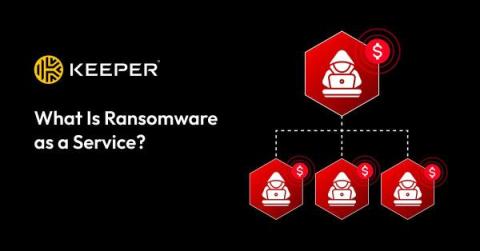
Ransomware as a Service (RaaS) is a business model in which cybercriminals develop and sell ransomware to buyers known as affiliates who use it to execute ransomware attacks. Ransomware is a type of malware that prevents users from accessing their data or devices by encrypting them and locking users out until a ransom is paid. Typically, cybercriminals need to know some coding to develop and execute ransomware attacks.
Identity-based threats specifically target the digital identities of individuals and the identity infrastructure of organizations.
Your data has left the premises. While virtual private networks (VPNs) used to be the go-to solution for extending access to private apps to remote users, they aren't a sufficient solution for securing a hybrid workforce. Because they place so much trust in users and devices, they end up granting overly permissive access to everything inside the perimeter, putting your data at risk.
Phishing, already a serious, ever-present threat, is getting even more pernicious thanks to ChatGPT, which enables threat actors to craft more realistic emails. Clearly, organizations need a way to fight back that recognizes the depth of the threat, including by employing managed detection and response services.
Personal information stored in business-owned accounts is a risk, especially when it contains vulnerabilities like weak or reused passwords.