Security | Threat Detection | Cyberattacks | DevSecOps | Compliance

How SSL Helps in SEO: A Comprehensive Guide

In the ever-evolving landscape of digital marketing, securing your website is no longer optional. One essential tool for achieving both security and search engine optimization (SEO) goals is the Secure Sockets Layer (SSL) certificate. But what exactly is SSL, and how does it contribute to better SEO rankings? This article unpacks these questions, exploring why SSL matters and how it can give your website a competitive edge.

The Essential Guide to Web Scraping Proxies: Types, Benefits, and Best Practices

In the digital age, data is a valuable asset, and web scraping has become an essential tool for developers and businesses looking to gather information from the web. However, web scraping can be challenging due to restrictions and blocks imposed by websites. This is where web scraping proxies come into play. In this article, we will explore the essentials of web scraping proxies, their types, benefits, and best practices for using them effectively.

Cyber Essentials NHS and Healthcare Organisations

Cyber Essentials scheme is a UK government-backed initiative designed to help organisations, large or small, shield themselves from common cyber threats. It outlines a straightforward set of technical security controls that, when appropriately implemented, can reduce an organisation’s attack surface. This is particularly vital for NHS and healthcare organisations. They handle NHS data that needs robust protection.

Ahead of the curve: Proactively managing third-party risks

According to a Gartner report, 60% of organizations will rely on third-party vendors for more than half of their critical business operations by 2025. However, Gartner also warns that third-party risk events – such as data breaches or compliance violations – will increase by 30% in the same timeframe. As a technology leader, these figures resonate deeply with the challenges I see organizations facing daily.

Enhancing API Security with Automated Threat Detection

As digital ecosystems continue to grow, APIs have become vital to business operations, enabling seamless data exchange and service integration. However, this increased reliance on APIs also makes them obvious targets for malicious actors. Some common threats such as credential stuffing, scraping, and denial of service (DoS) attacks pose significant risks, leading to data breaches, financial losses, and a decline in customer trust.

The Importance of Identity and Access Management

The business world has an identity security problem. Identity telemetry dominated Arctic Wolf’s list of the top 10 security investigation types over the past 12 months, and 70% of organizations were targeted by business email compromise (BEC), an attack that often relies on identity compromise for success, in 2024.

Winter 2024 Product Release Notes: What's New at Astra Security

Every second, organizations face an evolving battlefield in cybersecurity. APIs and cloud environments—the backbone of modern businesses—are prime targets for attackers exploiting overlooked vulnerabilities. A single breach can now cost organizations an average of $4.88 million. For businesses, this means heightened risks across critical systems, compounded by the struggle to identify vulnerabilities quickly enough.

Cryptocurrency Mining Attack Exploiting PHP Vulnerabilities: An Emerging Threat

A new and growing threat has emerged, targeting vulnerable PHP servers with a sophisticated cryptocurrency mining attack. This exploit takes advantage of misconfigured or unpatched PHP servers, allowing malicious actors to gain unauthorized access and deploy mining malware. The campaign focuses on exploiting vulnerabilities in PHP, particularly CVE-2024-4577, which has already been linked to several exploit attempts and continues to affect systems worldwide.

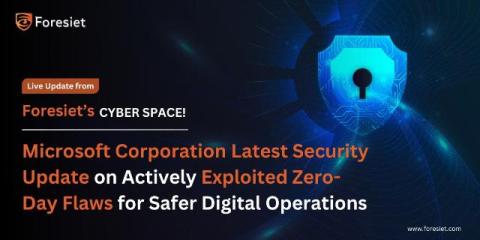
Microsoft Corporation Latest Security Update on Actively Exploited Zero-Day Flaws for Safer Digital Operations

Organizations need to be watchful and vigilant with their cyber space because cyber threats keep on evolving. And, in fact, urgency is provided by the security update of January 2025 from Microsoft, which patches at least 161 vulnerabilities, including three zero-day flaws actively exploited in the wild.