Security | Threat Detection | Cyberattacks | DevSecOps | Compliance

Google Cloud Armor Vs Cloudflare WAF

Google Cloud Armor is a web application firewall (WAF) service from Google Cloud Platform (GCP) that safeguards web applications against DDoS attacks and security threats. It integrates seamlessly with the Google Cloud HTTP Load Balancer, providing protection for Google Cloud applications against internet-based attacks.

Vendor Risk Assessment Template

When you work with third parties, their risk is your risk. Common risks associated with vendors include everything from compliance risk to operational risk to financial and reputational loss. Vendor risk assessments can help your organization narrow down who to trust, and help you identify the level of risk you are taking on with your vendors.

The Ultimate Data Breach Response Plan

In a hyper-connected world, security breaches continue to increase in size and scope. Cybersecurity threats come in various forms, from social engineering to database vulnerability exploitation. With that in mind, potential damages caused by these data breaches are more likely than ever, regardless of an organization’s size. To bolster your cybersecurity posture, you should put together a data breach response plan as a way to prepare your organization.

How to avoid being targeted by a Mobile application Data Breach

Our lives are increasingly intertwined with technology, and apps have become indispensable tools in our daily routines. From ordering groceries with just a few taps on our phones to connecting with loved ones across the globe through video calls, apps have revolutionized the way we live, work, and play. We rely on a variety of apps for everything from productivity and entertainment to health and fitness. For example, we use restaurant discount apps to discover exciting new diners and snag amazing deals on delicious meals.

7 Questions Tech Buyers Should Ask About How Their Vendors Use AI

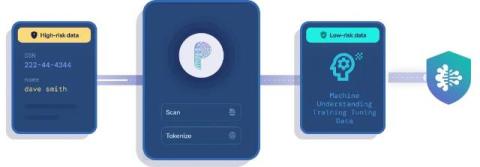
As AI becomes an increasingly critical component in the digital supply chain, tech buyers are struggling to appropriately measure and manage their AI risk. Keeping tabs on emerging risk from the AI technology they use is hard enough. But often the most crucial AI business functions that organizations depend upon aren’t directly under their control or care, but instead are governed by the tech vendors that embed them into their underlying software.

JFrog Simplifies Compliance with India's new CERT SBOM Guidelines

The Indian Computer Emergency Response Team (CERT-In) is the national agency responsible for addressing cybersecurity incidents in India. Established in 2004 and operating under the Ministry of Electronics and Information Technology (MeitY), CERT-In is dedicated to enhancing the security of India’s digital infrastructure.

Belsen Group: Analyzing a new and ambitious threat group

On January 14th, 2025, Belsen Group emerged in the underground forum Breach Forums publishing a list of sensitive data extracted from vulnerable Fortinet FortiGate devices. Since then, they have expanded their malicious activities into acting as initial access brokers. Who are they and what do we know about them? In this blog we’ll give you the lowdown on an ambitious new threat group to be aware of.

How to reduce false positives when pen testing web apps

In the context of penetration (pen) testing, false positives are where the testing tools or methods identify a security vulnerability or issue that doesn’t actually exist. Essentially, a false alarm. This can happen for a few reasons, such as misconfigurations in the testing tools, incorrect assumptions, or environmental factors.

Fireblocks Integrates Soneium to Seamlessly Connect Creators and Fans

We are excited to announce an integration with Soneium, the Ethereum Layer-2 blockchain built by Sony Block Solutions Labs, a joint venture between Sony Group Corporation and Startale Group. Soneium provides accessible, user-centric solutions that empower individuals, creators, and enterprises to build, connect, and thrive in a borderless digital ecosystem.

Holding the Tide Against the Next Wave of Phishing Scams

By now, we should all be pretty well acquainted with phishing scams. They've been around for a very long time—nearly 30 years, in fact—and are the primary focus of most security awareness training programs and initiatives. Despite this, phishing remains remarkably effective, with over 90% of successful cyberattacks beginning with a phishing email. Why? Because these scams are constantly evolving. To protect against the next wave of phishing scams, it's important to understand them.