I was recently asked to host a round table discussion on ‘Governance, Risk and Compliance‘ (GRC), and I have to admit I was more than a little excited. Why? Because the other people around the table were leading lights in the world of Cybersecurity, Risk and Resilience, and I was looking forward to exploring how a GRC framework can work across industries and learning some valuable lessons from those around our virtual table.
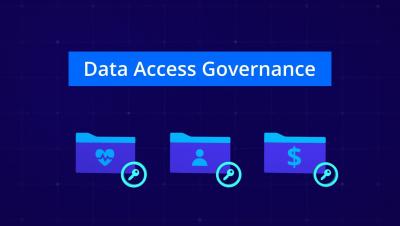
If you’re like most companies, your teams rely on a variety of cloud apps and storage solutions to get work done and collaborate with internal and external teams. While this flexibility is great for end users, it creates enormous complexity when it comes to data security and governance. IT teams must juggle multiple administrative dashboards, permissions configurations and access control policies across apps.
For a managed service provider (MSP), answering questions about data governance—specifically data security and privacy—is a vital part of the job. Understanding the complexities of content management systems, automation, and more ensures you are at the top of the data security field. Maintaining file and data security is a fact of life—usually by force of law. However, it’s a subject not many of your clients will ever fully understand.
The COVID-19 pandemic increased the need for cross-company collaboration. Yet, working with external partners shouldn’t mean giving away company secrets. Now, information security is more vital than ever. Proper data management and governance are good ways to control access to your files, protect secure information, and maintain compliance with all industry laws and regulations.
Over a year into the COVID-19 pandemic, businesses that were already beginning their digital transformation have sped up their efforts even more. Companies have been forced to increase spending on digital transformation in order to cope with a myriad of pandemic-related challenges.
In the high-pitched, relentless battle against cyberattacks, much of the attention and energy has been focused on technical solutions, regulatory compliance, and balancing risks with opportunities. What about corporate governance? What role does executive and board-level oversight play in ensuring robust cybersecurity … and what role should it play?
The COVID-19 pandemic pushed more employees to work from home than ever before. While this shift has many advantages—including reduced office space costs and more geographic flexibility—it also leads workers to access data from a variety of entry points.
Microsoft 365, as a service, contains many features that focus on security. Each service uses Azure Active Directory for authentication and authorization to access either the app itself or the content that resides within it. Organization-specific security controls and procedures should augment all out-of-the-box configurations.