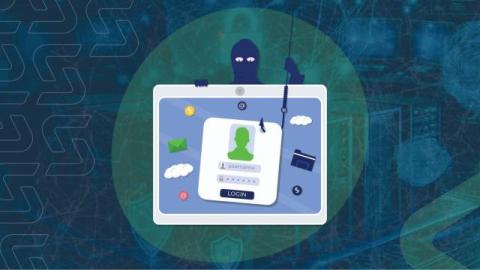
Discover how cybercriminals are using fake online forms to steal personal data. Learn how phishing scams mimic trusted brands and how you can protect yourself.
Crypto scams are evolving fast. Learn how scammers operate—and discover five simple ways to protect your money and identity in the crypto age. Cryptocurrency has transformed how we save, spend, and invest money. But with this wave of innovation comes a new breed of scams—slick, high-tech, and harder to spot than ever. Scammers have leveled up, using polished websites, fake influencer videos, and deep knowledge of human behavior to pull off million-dollar schemes.
Human risk management involves more than security awareness training, but training is a huge part of the mix. How else are you going to best fight a cyberthreat that is responsible for 70% to 90% of all successful data breaches after already bypassing every technical cybersecurity defense you threw in its way? At some point, a harmful scam message will make it to a user, and that user will be called upon to evaluate its importance and treatment.
The FBI is warning that threat actors are impersonating senior US officials in phishing attacks designed to compromise users’ accounts. Notably, the attackers are using AI-generated audio to convincingly spoof the voices of real people.
Your bank account is one of the most valuable things you own, so it’s important to keep it secure. Watch this video to learn the six ways you can protect your bank account and the steps to take if your bank account is ever compromised.
Cybersecurity typically focuses on technical defenses against threats. However, the study of deception can show how cybercriminals exploit human nature for their gain. Scamming is central in many cyberattacks, such as phishing, social engineering, and disinformation campaigns. We can gain insight into how these mechanisms work by mapping the emotions that bad actors aim to trigger in their victims.
If you’re searching for the best domain takedown service, chances are your brand has already been impersonated, or you’re proactively trying to stop that from happening. Either way, you know the stakes: malicious sites that mimic your brand can destroy trust, harvest credentials, and cost your business real revenue. Of course, ‘best’ depends on your threat landscape and internal priorities. This episode breaks down what actually matters so you can choose the right fit for your needs.
The battle for digital trust is intensifying. Fraudsters are no longer lone actors, they’re industrialized operations, using AI-driven phishing kits and Phishing-as-a-Service models to exploit businesses and their customers at unprecedented speed. In this environment, traditional fraud defenses are collapsing under the weight of innovation they weren’t designed to face.
In today's digital age, fraud has become increasingly sophisticated, costing businesses billions annually. Traditional fraud prevention techniques are no longer sufficient to counteract increasingly sophisticated fraud schemes.
Smishing and vishing are two types of common phishing scams targeting your personal information. Learn the difference between these tactics and how to protect yourself with simple, effective tips.