Security | Threat Detection | Cyberattacks | DevSecOps | Compliance


Yes, Virginia, There is a -Santa Claus- Way to Detect Unemployment Fraud
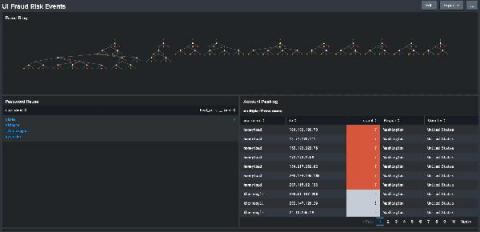
Fraud rates for Unemployment Insurance Benefits (UIB) and Pandemic Unemployment Assistance (PUA) are out of control. In May 2020, Brian Krebs of Krebsonsecurity published two articles detailing fraud that was occurring in several different state’s UIB portals. These states had been warned by the US Secret Service to be on the lookout for this. Reading the articles, the common theme is that many states are missing rudimentary controls for combating fraud.

Card-Not-Present Fraud: 4 Security Considerations for Point of Sale Businesses
As the retail world’s center of gravity shifts to the cloud, payment card fraud has followed suit. According to Verizon’s retail vulnerabilities study, attacks against e-commerce applications are by far the leading cause of retail data breaches. This trend mirrors similar outcomes in other industries, like food service. A complimentary Verizon study finds remote attacks against food service operators on the rise, as well.

Peace out this holiday season by securing every transaction against card-not-present fraud
We are about to enter the most wonderful time of the year. As consumers increasingly turn towards online and mobile commerce, are you confident in your card-not-present fraud detection capabilities? 2020 has been a year of great surprise and change. While the global health pandemic has changed how we physically interact with each other, it has also revolutionized how we shop.
Phishing awareness and phishing training explained
There is no more effective initial attack vector than phishing. With an ability to reach well-within your organization’s logical perimeter all the way down to an individual user’s Inbox with some form of malicious content, phishing has proven to be a challenge to organizations working to maintain a proper security stance. On top of this, phishing attacks have some pretty impressive accolades.
Online purchase scams spike since the start of COVID-19, reports BBB
Scams occurring during online purchases have spiked since the start of the pandemic, as reported in new research conducted by the Better Business Bureau (BBB). Around 80.5% of consumers who reported this type of scam this year lost money, compared to 71.2% in 2015. Online purchasers scams have been among the three riskiest scams for the past three years but the situation has become significantly more severe in 2020.
What is Smishing? SMS phishing explained
SMS phishing, or “Smishing,” is a mobile phishing attack that targets victims via the SMS messaging channel rather than through email. A natural evolution of the phishing phenomenon, smishing attacks attempt to dupe mobile users with phony text messages containing links to legitimate looking, but fraudulent, sites. These smishing sites try to steal credentials, propagate mobile malware, or perpetrate fraud.
Sophisticated phishing
Most of us can think of a time when we received a phishing email. In fact, most phishing emails are easy to identify, and automatically go to spam. However, in this ongoing pandemic, hackers are adopting advanced tactics that cleverly conceal their malicious intentions, and fly under the radar by leveraging the victim’s fear, anxiety, or plain negligence.
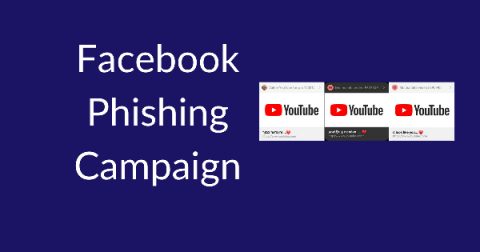
Facebook Phishing Campaign
An investigation into a suspicious Facebook Messenger message led to the identification of an active Facebook phishing campaign seemingly resulting in victim accounts being abused by the threat actor to further propagate the phishing lure.