Security | Threat Detection | Cyberattacks | DevSecOps | Compliance

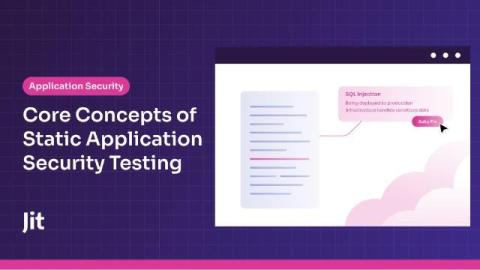
Announcing Opengrep: Continuing the Open-Source Mission for Static Code Analysis

At Jit, we are proud to announce our participation in a consortium of companies that have come together to launch Opengrep, a continuation of Semgrep’s groundbreaking OSS. Opengrep is born out of our shared commitment to keeping static code analysis open, accessible, and community-driven.

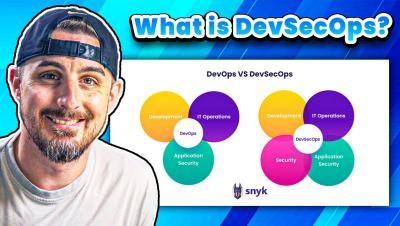
Reviving DevSecOps: How Snyk's new framework builds trust and collaboration

It’s been over a decade since DevSecOps was introduced as a transformative approach to software development, but adoption remains uneven. Despite its promise of seamless integration between development, security, and operations, only 38% of organizations report fully automating the addition of new projects, branches, or repositories into their security testing queues.

Securing the Future: DevSecOps in Action

How can you ensure your software supply chain is resilient and ready for the challenges of tomorrow? In this exclusive session, we delved into the practical lessons of 2024 and showcased how JFrog is leading the charge in securing DevOps pipelines. In this engaging conversation between industry experts, we uncovered real-world insights, explored actionable strategies, and demonstrated innovations that safeguard your software delivery lifecycle.

5 DevSecOps Checklists to Embrace Advanced Techniques in 2025

If you’re here, you know the basic DevSecOps practices like incorporating proper encryption techniques and embracing the principle of least privilege for access control. You may be entering the realm of advanced DevSecOps maturity, where you function as a highly efficient, collaborative team, with developers embracing secure coding and automated security testing best practices.

Unify Security Posture and Protection for Faster Cloud Detection and Response

Adversaries are taking aim at cloud environments, as evidenced by the 75% increase in cloud intrusions in 2023. Organizations are under growing pressure to ensure they have measures in place to effectively detect, investigate and respond to cloud-focused attacks. Cloud detection and response (CDR) is uniquely challenging for SOC teams due to their limited visibility into the cloud control plane, resource configurations and application deployments.