Mailchimp
Not subscribed to OpsMatters Newsletter


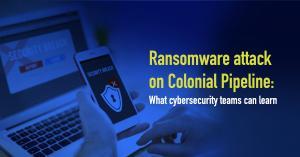
The recent ransomware attack on Colonial Pipeline is reportedly one of the most significant cyberattacks on the energy sector till date, and it has overwhelmed cybersecurity experts across the globe.
We’re excited to share that we have enhanced our partnership with Atlassian. In support of this partnership, today we are releasing full availability of the new integration, which natively embeds Snyk into Bitbucket Cloud for security. The Snyk security integration is free and easy to set up with just a few clicks inside the Bitbucket Cloud product. For the first time, developers can consume information that was previously only available inside Snyk now within Bitbucket Cloud.
Remote workforces accessing applications and data that are located anywhere is the “new normal.” Across the globe, organizations of all sizes are struggling to modernize their infrastructures to accommodate this new reality while accelerating their digital transformation initiatives.
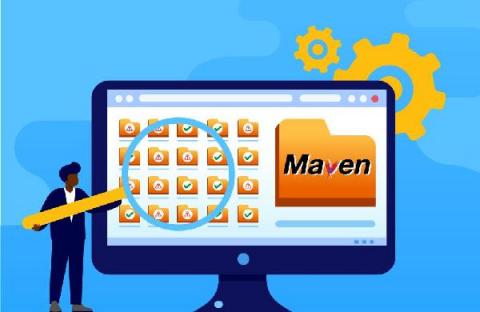
By Jonathan Leitschuh; Daniel Elkabes, Senior Security Researcher at WhiteSource; Ofir Keinan, Software Developer at WhiteSource The latest Maven release 3.8.1 contains a fix to security vulnerability CVE-2021-26291. Detected and reported by security researcher Jonathan Leitschuh, the vulnerability affects over 100,000 libraries in Maven Central, according to the WhiteSource security research and knowledge teams.
The responsibility for compliance with GDPR privacy laws, and the consequences of non-compliance can vary greatly from one organization to another. Often it is not clear who is responsible for data protection – whether or not they are a “data controller” or “data processor” – but here are some guidelines in order to help you determine which category your company falls into so as to best take necessary precautions against breaches or other potential illegalities.
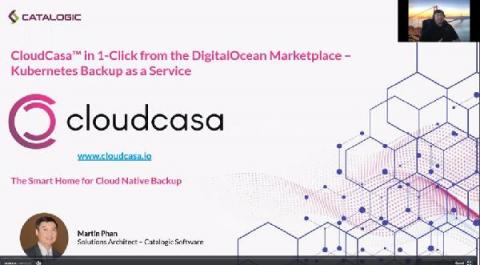
Are you a DigitalOcean vendor or user and developing or deploying a Kubernetes application? You may want to preserve your cluster configuration, backup your persistent volumes to protect them from ransomware, accidental deletion, and long-term retention policies. CloudCasa is the only data protection and disaster recovery solution that has been tested and certified as a 1-Click appliction with DigitalOcean Kubernetes and available in their marketplace.
Federated identity systems, such as Google Identity, bring security and convenience in the form of SSO for Internet or cloud applications. It is common to be prompted for authentication in order to grant various levels of access or permissions for applications ranging from Google Drive, Google Cloud SDK, Google Chrome plugins, Slack, Adobe, Dropbox, or Atlassian to numerous third-party apps.
The Anti-Phishing Working Group (APWG) has just released its Phishing Activity Trend Report for Q1 2021. The first findings are easily predictable; the dispersion of the workforce is pushing phishing attacks to new records: just in January 2021, the APWG detected 245,771 unique phishing sites, the highest number reported so far.
As an omni-channel customer service solution, Zendesk allows for companies to meet customers where they are by providing a variety of options for customer support, intake, and management of the overall customer experience (CX) process.