Mailchimp
Not subscribed to OpsMatters Newsletter


Online projects could be easy prey for cybercriminals due to the involvement of critical security information (emails, different platforms' login passwords, bank accounts, etc.) and multiple people. A simple phishing email requesting new login credentials or bank account details could be effective on negligent team members and could put everybody at risk. In other words, any breach of information by a project team member could lead to a disaster for the parties involved.
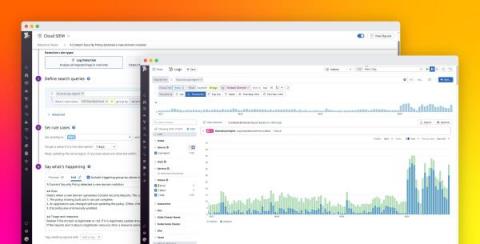
Content Security Policy (CSP) is a W3C standard that helps defend web applications against cross-site scripting (XSS), clickjacking, and other code injection attacks. CSP is often deployed by using an HTTP header (or, less commonly, a element) to specify which types of resources are allowed to load on your site and where those resources can come from.
Cybersecurity is a complex task that is never complete. It’s an ongoing proactive practice of securing, monitoring, and mitigating threats. It’s a constant cycle where threats and vulnerabilities are detected, teams investigate and mitigate any issues, then network cybersecurity systems are reinforced to combat the next potential threat. Business operations increasingly rely on numerous devices and digital tools to accomplish daily tasks.
Anyone reading this post will have at least dipped their toes into the world of cloud services. As a result of this massive growth, the world of compliance has spent much of the last decade catching up with the implications of cloud services.
In our fifth episode of the Future of Security Operations Podcast, Thomas speaks with Dylan White, an Information Security Engineer at KnowBe4 — a leading security awareness training platform.
As the digital transformation continues at full speed, the majority of humanity's routine activities have begun to be carried out through digital channels. As the world digitizes, the potential loot in the lap of hackers grows. That's why we witness the development of new cyber threats every day. This requires all organizations, from the smallest to the largest, to be prepared for advanced cyber attacks.
Whether for managing remote teams, supporting ‘bring your own device’ (BYOD) policies, or simply another layer in a data protection strategy, services like Microsoft Intune offer greater control over the devices on your network. But using the data from these services often requires tedious prep work, and this process is likely repeated multiple times a week, if not daily. Tedious, repetitive, structured: these are all signs that a process can and should be automated.