Mailchimp
Not subscribed to OpsMatters Newsletter


When you’re looking to secure your applications, you need to keep a few things in mind. You want to make sure that your software security vendor is a fully-Saas vendor you access in the cloud. That way you benefit from scalability, peer benchmarking, and more. Here’s what to look for in an application security testing solution that you can access in the cloud while supporting cloud-native development. Plus, you’ll learn why cloud-based trumps on-premises solutions.
Poor secrets management leads to data breaches that can result in compromised credentials, a damaged reputation and millions of dollars in mitigation costs, legal fees and lost revenue. Secrets are non-human privileged credentials that provide access to sensitive information, systems and services. Types of secrets include database passwords, SSH keys, API keys and encryption keys.
A security breach is when an incident occurs that results in unauthorized access to sensitive data, applications, networks or devices. Typically, when a security breach happens the intruder is able to bypass security measures that were put in place to keep them out. As a result of a security breach, a company or organization’s public image suffers, which can lead to the company losing money. The company or organization could also suffer legal consequences.
According to a recent Gartner study, the fast pace of change across technologies, organizational priorities, business opportunities and risks requires identity and access management architectures to be more flexible. As digital business relies on digital trust, security and identity are — more than ever — an essential foundation of an organization’s business ecosystem.
According to the latest IBM Cost of a Data Breach Report, the average breach costs $4.35M per incident, climbing by 12.7% from 3.86 million USD in IBM’s 2020 report. This does not account for lost business opportunities and lingering reputational damage. A cybersecurity tabletop exercise could substantially reduce this amount simply by having a well-thought-out incident response plan and effectively exercising business continuity plans.
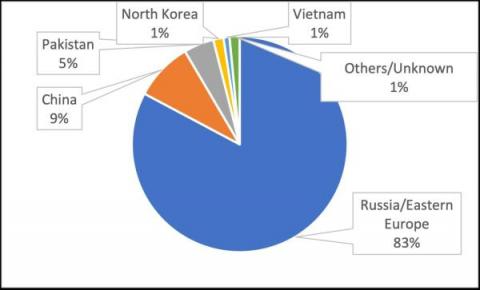
In our companion blog post, Vedere Labs analyzed the main ransomware trends we observed in the first half of 2022, including state-sponsored ransomware, new mainstream targets and evolving extortion techniques. Ransomware is the main threat targeting most organizations nowadays. However, three other notable cyberthreat trends also evolved during this period: Below we analyze each of these trends in more detail.