Mailchimp
Not subscribed to OpsMatters Newsletter


Companies are spending more on technology than ever before. In 2023, Gartner predicts that worldwide IT spending will reach $4.3 trillion, with a significant portion of that budget allocated to digital transformation projects. However, in the current economic climate, the cost of capital has gone up along with interest rates, while typical pay-back periods have shrunk from five to three years.
It was just a short time ago that Fortra came into being, as the new face of HelpSystems. Fortra is a company that combines a group of cybersecurity products and services into one portfolio. As with all acquisitions, many customers wondered what benefits this would bring to the Tripwire product line. We took the opportunity to speak with Fortra’s Principal Evangelist, Antonio Sanchez, who sheds light on how this acquisition delivers more value to all of our customers.
This piece was originally published on Fortra’s AlertLogic.com Blog. Managed detection and response (MDR) would be nothing without a SOC (security operations center). They’re on the frontline of our clients’ defenses — a living, breathing layer of intelligence and protection to complement our automated cybersecurity features. These are the people who make our MDR services best in class so dependable. It’s time you met them.
Back in 1939, Henry Wallace, the American Secretary of Agriculture, created the Food Stamp Program. It was designed to supply surplus agricultural commodities to American families in need during the Great Depression. People who received public assistance could get stamps that were then used to purchase food. The program underwent several iterations in the 1960s, ’70s, and ’80s until finally, in 1984, the first Electronic Benefits Transfer (EBT) system was introduced.
Managing software security risk is a high-stakes race that’s getting harder to win. Enter Veracode Fix: the intelligent remediation solution that helps you pay down security debt at scale and deliver more secure software, faster, for less effort and cost.
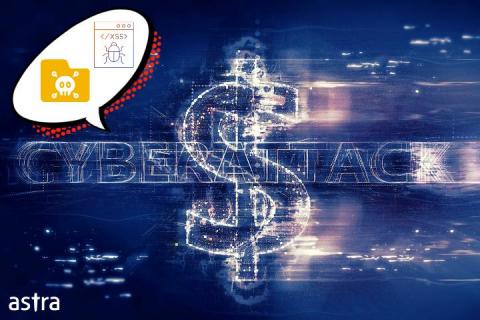
As we gear up to enter the new financial year, one thing is for sure: cyberattacks per day continue to pose a major threat to businesses of all sizes. With the rise of IoT attacks and the low prosecution rate of cybercriminals, it’s no wonder that companies are spending billions to protect themselves.
Experts at Ponemon Institute reveal that the average cost of a data breach will reach around $5 million in 2023. This is a hike when compared to $ 4.35 million in 2022 and $4.24 million in 2021. With the frequency and severity of data breaches on the rise, businesses must prioritize data security to avoid hefty fines and penalties.
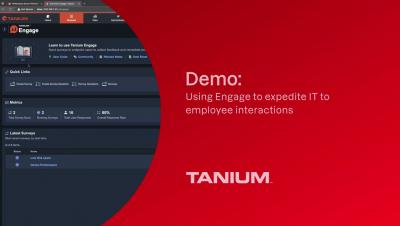
15 ways Tanium can help you deliver digital employee experiences that delight instead of frustrate and disappoint.
In many conversations I have with security and infrastructure leaders, the discussion inevitably turns toward a zero trust project either already underway or set to begin soon. More often than not, this conversation is specifically about zero trust network access (ZTNA), because ZTNA technology has been frequently positioned as the solution for something every team really wants to achieve right now: total replacement of remote access VPNs.