Mailchimp
Not subscribed to OpsMatters Newsletter


Adversaries are continuing to expand their attacks by adding tactics like domain abuse, multifactor authentication (MFA) fatigue and unique crafted exploit kits acquired from underground forums. Typosquatted domains pose a risk for any organization as they are used at the start of the attack chain, with the goal of misdirecting users to a look-alike site to steal their identities.
This is a follow up discussion of some advanced use case scenarios for Egress Gateways. In a previous blog post, Policy-based routing with Egress Gateways, I explained how to achieve connectivity to multiple destinations using policies based on the destination of the traffic. One of the use cases described was the ability of connecting to different services based on the destination, so we can use a different source IP that can be included in an allowlist for such services.
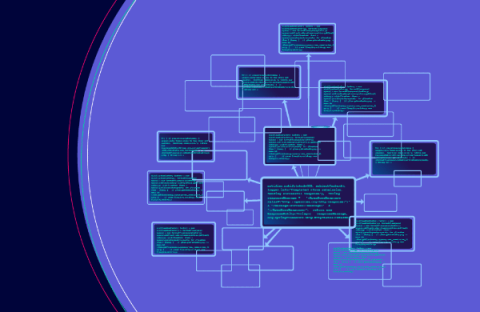
Two big trends are now converging that will change the way we view and implement software supply chain security and make dependency management a vital part of assuring security. Let’s look at why and how this is happening, and what it means for dependency management.
Third-party cyber risk is now one of the biggest threats today, according to many CISOs. Security leaders point to the fact that many of the recent major breaches have been a result of a single software supply chain vulnerability: SolarWinds, Log4j, and MOVEit, just to name a few.