Security | Threat Detection | Cyberattacks | DevSecOps | Compliance

IoT: Internet of Threats?

The Internet of Things (IoT) has slowly but surely weaved its way into our homes and places of work. From smart homes to industrial control systems, IoT has brought convenience and efficiency to our lives. However, with this increased connectivity we have increased our risk. The IoT Attack Surface IoT devices are often designed with functionality in mind, rather than security. This means that many devices have weak or default passwords, unpatched vulnerabilities, and insecure communication protocols.
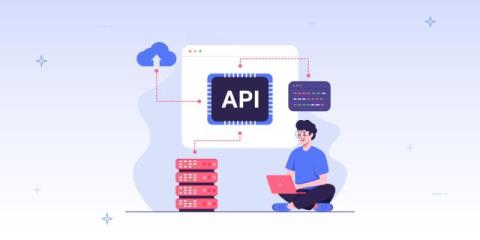
What is API Security for Mobile Apps? Why Is It Important?

Businesses have gone mobile-first, and with good reason—people are spending more time and more money on their phones than ever before. For instance, in 2023, an estimated 66% or 2/3rds of all online orders were made from mobile devices. And in 2024, businesses are expected to spend $402 billion on mobile advertising. Mobile apps have become the first choice for users for their online activities in banking, e-commerce, media streaming, social media, etc.

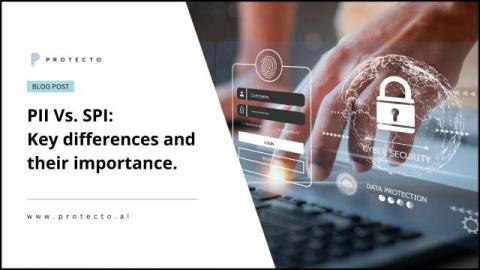
PII vs. SPI: Key Differences and Their Importance

Personal Information (PI) encompasses any data that can identify an individual, either directly or indirectly. This includes basic information such as names and addresses. It also includes more specific details like Social Security Numbers (SSN) and biometric data. Understanding the difference between Personally Identifiable Information (PII) and Sensitive Personal Information (SPI) is crucial for effective data protection.

10 Types of Vendor Related Risk Cloud Native Organizations Need to Manage

If you are a developer in the current cybersecurity climate, you already know your application’s security is paramount. But have you considered the risks associated with your vendors? With over 50% of new applications developed in the coming years being Cloud-Native, vendor-related cyber security risks are a growing concern. Cloud-native organizations must consider all vendors during risk assessment. Today, you rely on countless vendors, some of whom are unknown to IT.

Zero-Day Marketplace Explained: How Zerodium, BugTraq, and Fear contributed to the Rise of the Zero-Day Vulnerability Black Market

Whenever a company is notified about or discovers a critical flaw in their system/application that has the potential to be exploited by malicious elements, it’s termed a vulnerability. However, every time a flaw being actively exploited is discovered, code red is punched as the organization’s IT team officially has a Zero-Day vulnerability/exploit on their hands! A zero-day vulnerability is a software vulnerability discovered by attackers before the vendor has become aware of it.

Business Logic Vulnerability - Examples and Attack Prevention

Breaking into an organisation’s IT infra doesn’t always require complex methods. Hackers often exploit normal applications and API functions in unexpected ways to access sensitive data. For example, the 2019 Venmo breach involved the exploitation of an open API to scrape millions of payment records. A design oversight in the API allowed attackers to exploit its normal functions in an unintended manner—scraping payment records without proper authorization.

Another API Security Breach: Life360

Another day, another API breach in the news. The latest breach occurred on the Life360 platform where an advisory was able to gleam 400k user phone numbers, based on the article written on Bleepingcomputer.com. Known only by their 'emo' handle, they said the unsecured API endpoint used to steal the data provided an easy way to verify each impacted user's email address, name, and phone number.