Security | Threat Detection | Cyberattacks | DevSecOps | Compliance

How KeyScaler 2025 Reinvents IoT Identity Management with AI

In today’s hyperconnected landscape, the security of Internet of Things (IoT) devices is no longer optional—it’s essential. With over 50% of connected devices harbouring critical vulnerabilities, securing IoT devices is an important challenge for organizations. Traditional manual methods of securing and managing device identities are insufficient.

How to Convert Word to PowerPoint in AI Word Editor (with Perfect Formatting)

You've completed your lesson plan in WPS Writer, polished your report, or finished your proposal. The next stage, however, is to create a visual presentation from that elegant, content-rich document. Is every slide being duplicated? Thank you, but not. Thankfully, WPS Office preserves formatting, structure, and even graphics when converting a free Word document to a PowerPoint file.

Debunking API Security Myths

I recently sat down with Tejpal Garwhal, Application Security and DevSecOps Leader, for a conversation debunking some of the most common API security myths. From zombie endpoints to the limits of WAFS and gateways, we covered what’s really happening on the ground; and what security teams need to do differently. Here’s a quick rundown of the key takeaways, but for the full picture, watch the full webinar.

CISO Spotlight: Andrew Storms on Trust, AI, and Why CISOs Need to Be Optimists

Andrew Storms, VP of Security at Replicated, has spent three decades on the frontlines of cybersecurity. From building Unix systems in the early ‘90s to leading incident response and AI security strategies today, he has seen the CISO role evolve from back-office function to boardroom mainstay. In this spotlight, he shares the lessons that shaped his thinking, why storytelling is a critical CISO skill, and how API security is no longer optional.

Fail-Open Architecture for Secure Inline Protection on Azure

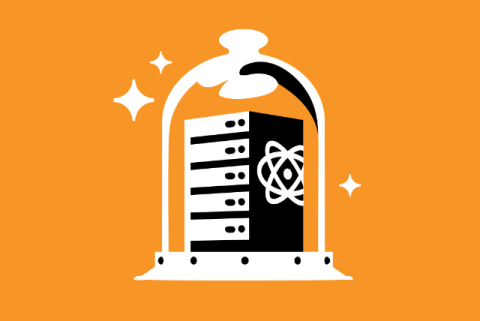
Every inline deployment introduces a tradeoff: enhanced inspection versus increased risk of downtime. Inline protection is important, especially for APIs, which are now the most targeted attack surface, but so is consistent uptime and performance. This is where a fail-open architecture comes in.

Autonomous Vulnerability Remediation: Securing Web & API Apps Instantly

One-third of critical and high vulnerabilities remain open for 180+ days from the time they are discovered. When it comes to business growth vs security, business always wins by prioritizing features over vulnerabilities. This gives hackers enough time to exploit the vulnerabilities, putting the organization at risk. However, most of these vulnerabilities can be virtually patched within a few hours using solutions like AppTrana's SwyftComply, with zero impact on business continuity.

AI-Powered Email Threat Detection and Response with Next-Gen SIEM

Email remains the top attack vector, and speed is critical when every second counts. Falcon Next-Gen SIEM and Fusion SOAR streamline detection by ingesting email telemetry and automating investigation with Charlotte AI. By analyzing sender behavior and message content, Charlotte AI delivers real-time, human-readable verdicts with confidence scoring. Teams can quickly isolate threats, block senders, or escalate suspicious activity. With AI-powered workflows and automation, email triage becomes faster, more precise, and scalable.

AI-Generated Summaries Mistakenly Suggest Phishing Sites

Researchers at Netcraft warn that AI-generated search engine summaries are suggesting phishing sites when users ask them to find legitimate login pages. The researchers tested popular AI models, asking them for the login pages of fifty major brands, and found that the models provided the wrong sites 34% of the time. "In many cases, users see AI-generated content before (or instead of) traditional search results—and often without even needing to log in," the researchers explain.