Security | Threat Detection | Cyberattacks | DevSecOps | Compliance

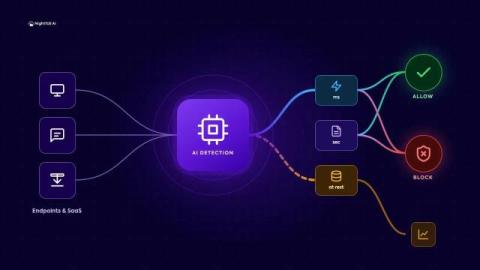
Deconstructing the Agentic Stack: Why API Visibility Is the Ultimate Defense for AI Agents

AI agents do not create risk only when they hallucinate or produce an inaccurate answer. They create risk when they take the wrong action. A single user prompt can move through an application, reach an agent runtime, call a tool, trigger an MCP server, and touch a downstream API. By the time the action happens, the original request may be several layers away from the system that actually changes data, sends information, or executes a workflow. That is the problem security teams now face.

ionCube Encoding vs Other Obfuscation Solutions: Why Obfuscation Falls Short

PHP obfuscation is a lightweight way to make code harder to read but it does not provide much protection against code exposure or reverse engineering. It is often attractive because it is free or low cost, but that can be risky as it typically only masks the code through substitution techniques and does not meaningfully change how the source code is protected.

Compliance work is overdue for a new approach

Compliance has traditionally lived in dashboards, spreadsheets, screenshots, audit packets, and point-in-time reviews. Security teams know the reality is more dynamic. The evidence auditors need is often buried across identity providers, endpoints, cloud platforms, network controls, vulnerability scanners, alerts, and custom application logs — all generating live operational telemetry that static tools struggle to keep up with.

How to Validate Policy-as-Code Without Breaking Builds (Even When AI Writes the Code)

Picture two realities for the same compliance control reaching production. Reality One: Your AppSec team writes a new rule. An engineer uses Claude Code or Cursor to generate the OPA (Open Policy Agent) Rego policy in minutes. They deploy it. It blocks a legitimate release on a missing context variable, and the on-call engineer routes around the gate to ship the code. The AI gave them fast code — but not code they could trust.