Social engineering is the psychological manipulation used to get others to do things or reveal private information. Between 70% and 90% of data breaches involve social engineering. Social engineering is currently one of the largest cybersecurity dangers facing both small and large enterprises. These “human hacking” techniques are commonly used in cybercrime to trick unwary users into disclosing information, dispersing malware infections or granting access to restricted systems.
The year 2021 had the dubious distinction of being the most prolific for ransomware on record, and the onslaught didn’t stop in 2022. It’s now estimated that every 14 seconds, a business falls victim to a ransomware attack. Ransomware attacks aren’t just happening more often.
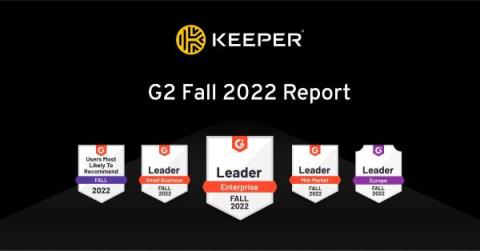
Keeper Security is excited to announce that our Keeper Password Manager was rated as a leading Enterprise, Mid-market, and Small Business password manager for Fall 2022 by users on G2, the world’s largest and most trusted software marketplace. Keeper was also recognized as a leader in password management in Europe and for having the best relationship index of any single sign-on (SSO) software.
The 1Password SCIM bridge is a powerful tool for businesses that want to use a password manager alongside an identity provider like Okta, Rippling, or Azure Active Directory. But if you haven’t used the SCIM bridge before, you might be wondering: What exactly is it? And does my company need a SCIM bridge?
With a growing number of organizations offering a remote or hybrid working option, many people are taking their workspaces home. Your team needs to know password hygiene best practices to ensure their home work environment is secure and protected. Sloppy employees who are not knowledgeable about password hygiene can pose a risk to themselves and their company. In fact, 82% of breaches involved a human element, according to Verizon’s 2022 DBIR.
Poor password practices are one of the biggest threats to enterprise cybersecurity. Stolen or compromised passwords cause over 80% of successful data breaches. When employees use weak passwords, reuse passwords across accounts, or store their passwords insecurely (sticky notes, spreadsheets, etc.), they put their employers at risk. Organizations often leverage enterprise password managers to alleviate poor employee password practices.
A distributed denial-of-service (DDoS) attack is an attempt to disrupt the normal traffic of a targeted server. This is done by overwhelming the server, service or network being targeted with a flood of internet traffic, ultimately slowing the server down or causing it to crash completely. Think of it as being like a traffic jam, which causes all the cars on a road to slow down or come to a stop.
SSH key management practices reflect the environment in which they were first introduced. The 1Password SSH agent is a big step toward aligning practices with the modern world.